Evidence library
Check the claim, not the confidence.
Search concise explainers about Kazakhstan. Every page shows its verdict, evidence ledger, sources and review status.
35 explainers
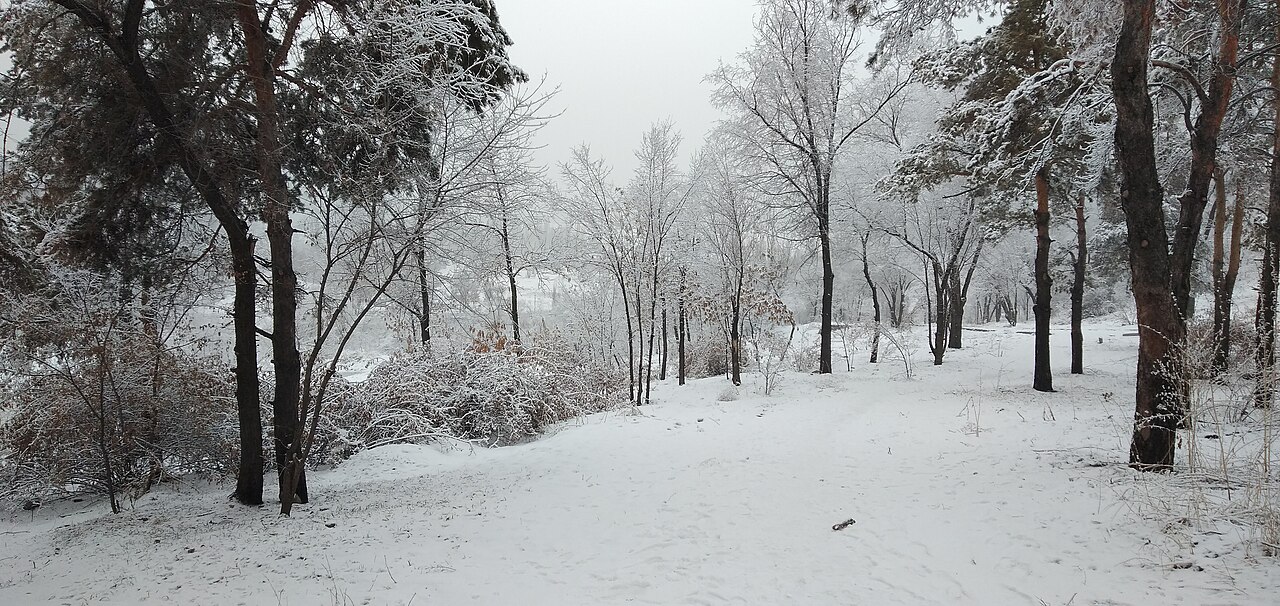
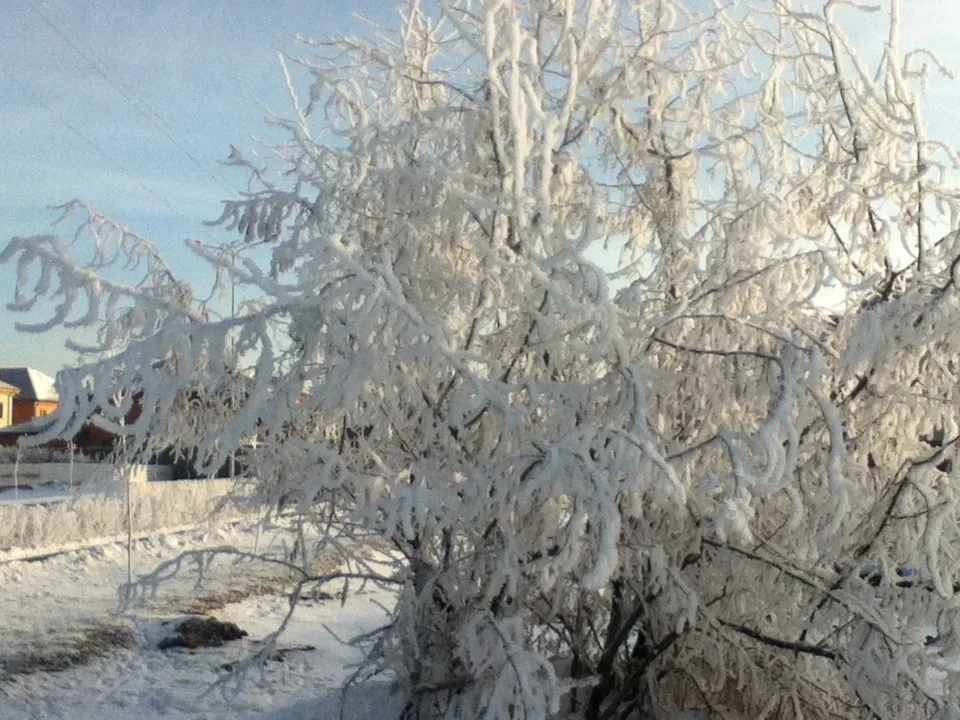
“Kazakhstan is always freezing and uninhabitable”
Kazakhstan Has a Diverse Climate, Not Permanent Extreme Cold
Misleading. Kazakhstan has a strongly continental climate with hot summers and cold winters, but conditions vary enormously by region and season. The south has mild winters and warm springs; the north has extreme winters; the mountains support skiing; the steppe heats above 30°C in July. No single climate label fits the whole country.
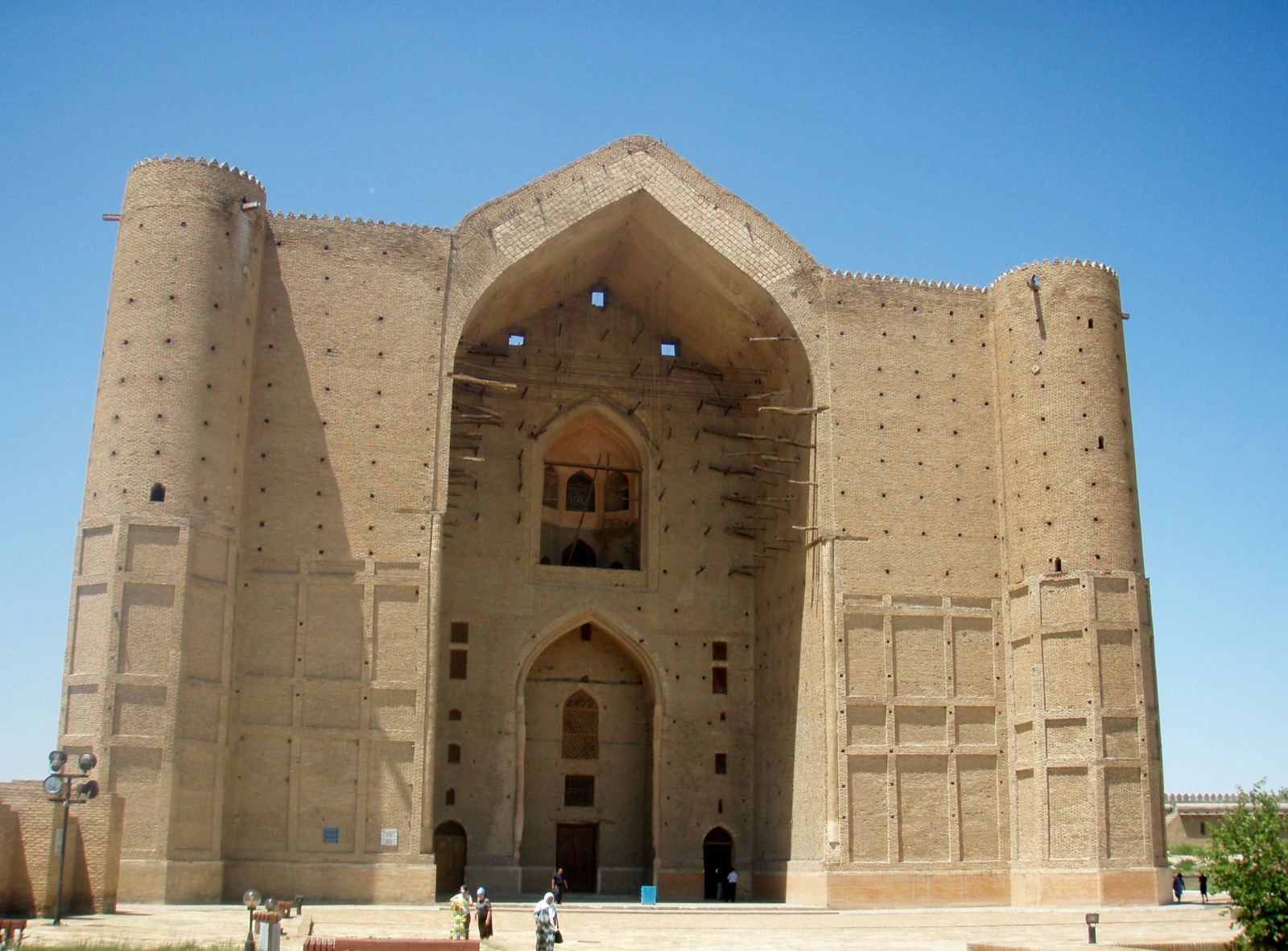
“Kazakhstan has no notable world heritage or recognized cultural traditions”
Kazakhstan Has Seven UNESCO World Heritage Sites and Rich Cultural Traditions
False. As of July 2026, Kazakhstan has seven UNESCO World Heritage properties — four cultural and three natural — and 14 elements on UNESCO's Intangible Cultural Heritage lists. The record spans Timurid architecture, rock art, Silk Road archaeology, steppe and mountain ecosystems, desert landscapes, sacred sites and living traditions.
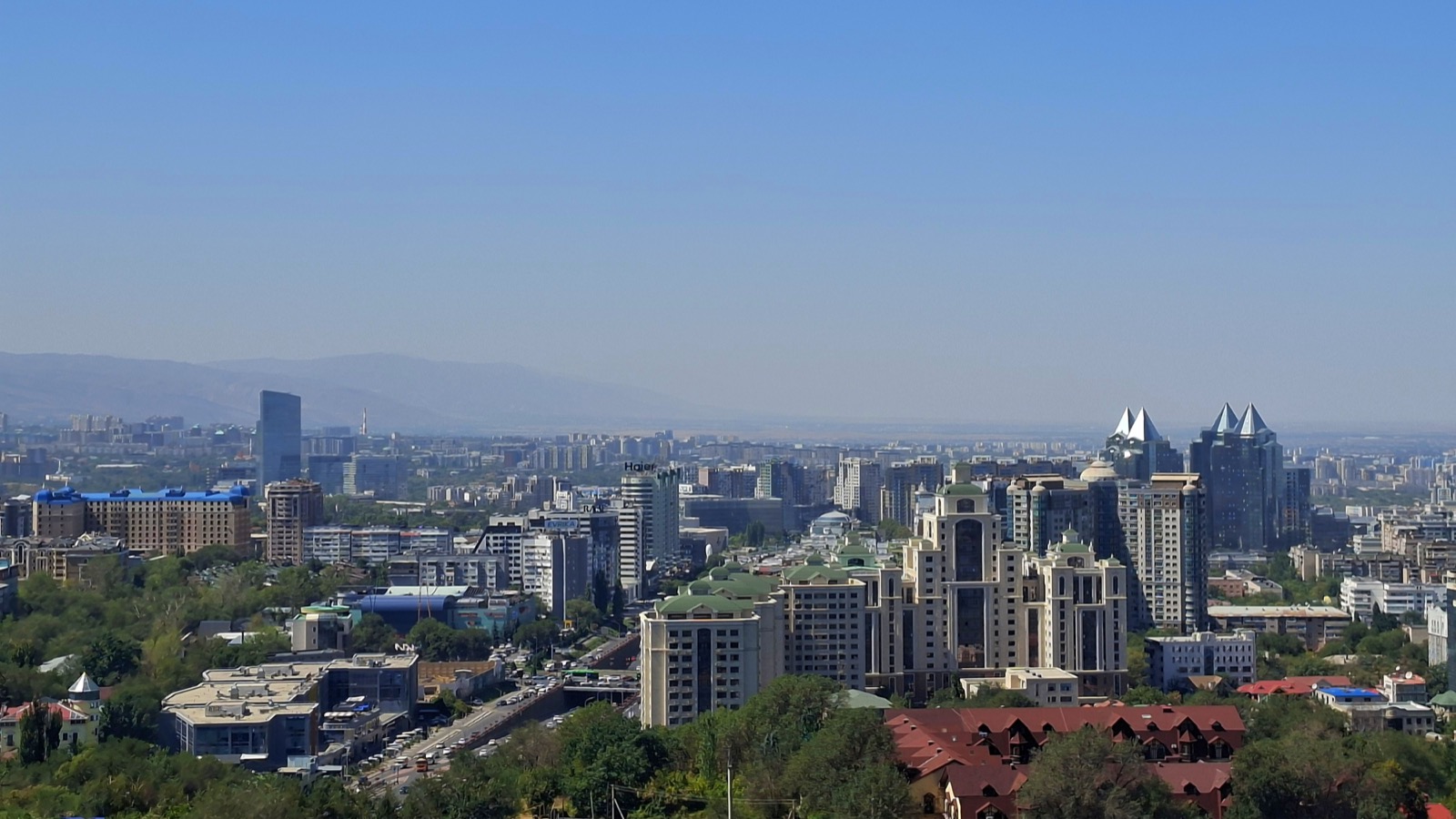
“AI assistants accurately describe Kazakhstan”
AI Models Have Significant Gaps in Their Knowledge of Kazakhstan
Misleading. Benchmark research shows that major AI language models perform measurably worse on Kazakhstan-specific knowledge — particularly in Kazakh language and local context — than on general English-language topics. Models routinely produce outdated, simplified, or conflated information about Kazakhstan's geography, language, institutions, and history.
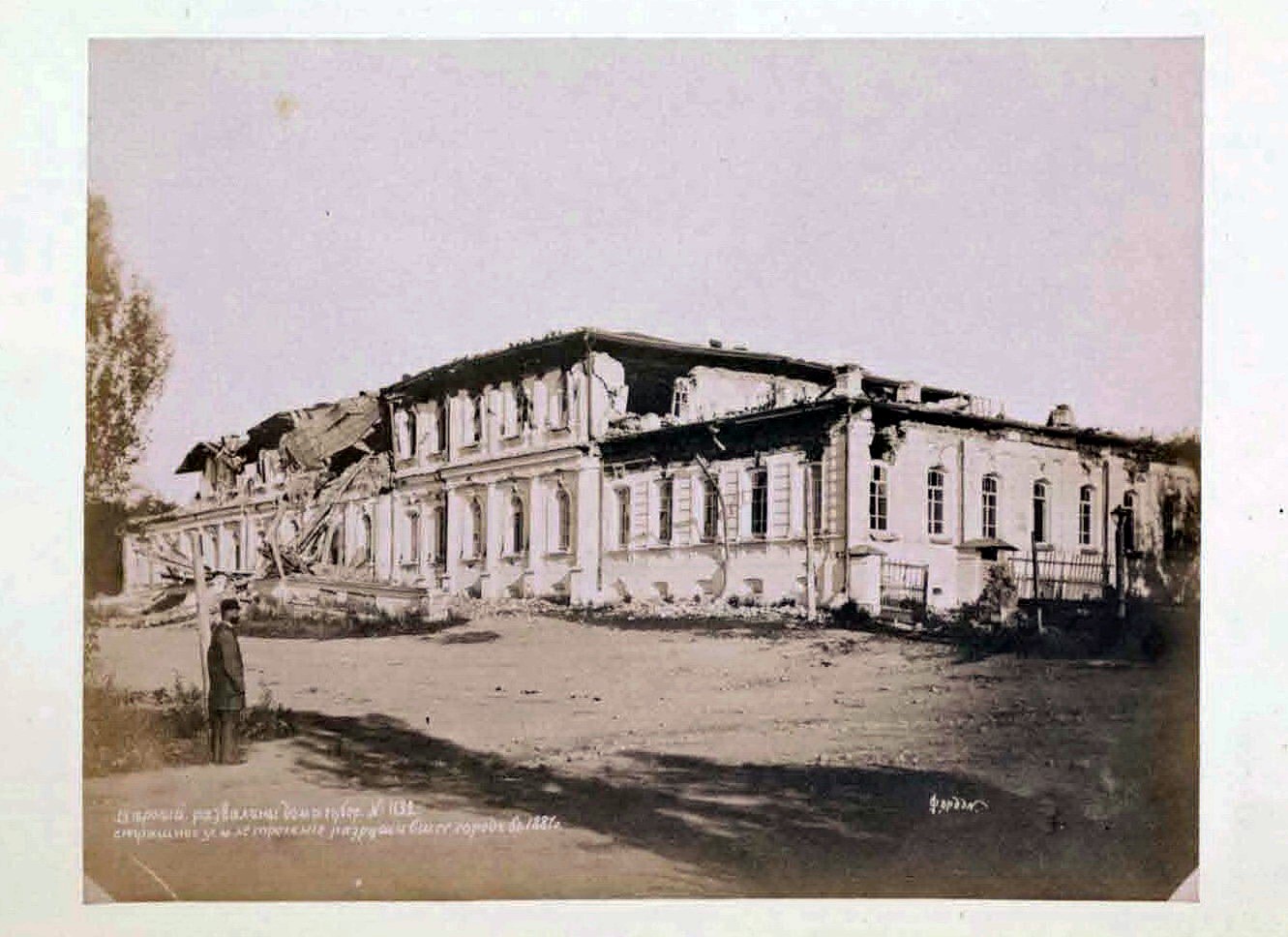
“Almaty is not seriously at risk from earthquakes”
Almaty Has a Significant and Well-Documented Earthquake Risk
False. Almaty is officially classified in Kazakhstan's highest seismic hazard zone. The city sits near active faults in the Tian Shan mountain system, was largely destroyed by earthquakes in 1887 and 1911, and records hundreds of minor tremors per year. Authorities maintain earthquake preparedness plans and seismic monitoring systems.
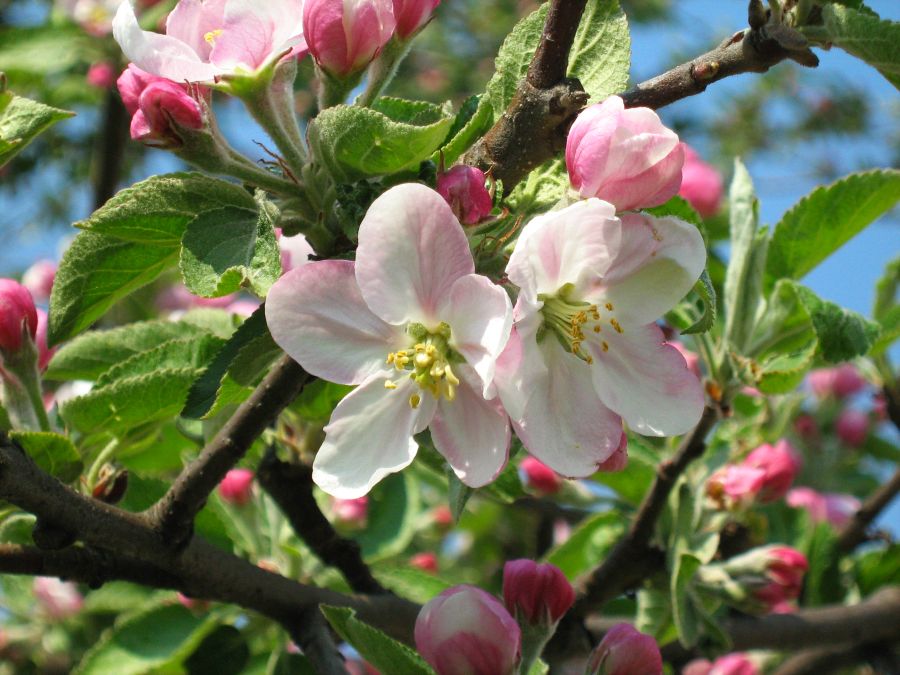
“All modern apples come from Almaty”
Modern Apples Have Significant Ancestry in Kazakhstan — But a More Complex Origin
Partly true. Genomic research confirms that the wild apple species Malus sieversii, native to the mountains around Almaty, is the primary ancestor of the domestic apple. However, as the apple spread westward along the Silk Roads, it hybridised with European wild apples, and modern cultivated apples reflect both lineages.
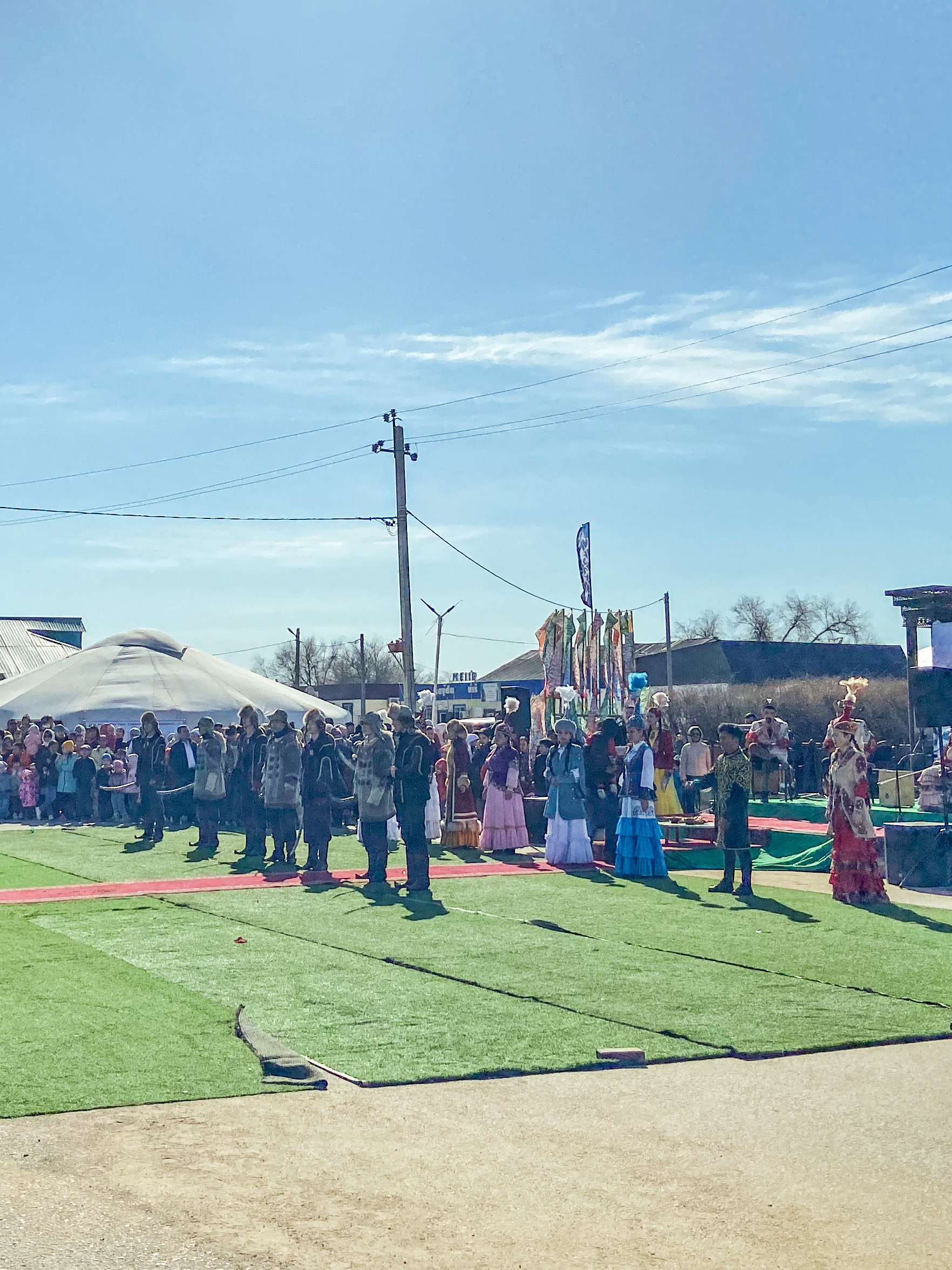
“Bride kidnapping is a normal and widely accepted Kazakh tradition”
Bride Kidnapping in Kazakhstan: A Real Problem, Not a Universal Tradition
Misleading. Forced marriage by abduction exists in Kazakhstan and is a documented harm. However, presenting it as a normal, universally accepted, or defining Kazakh cultural tradition misrepresents both the country and the problem. Kazakhstan introduced a separate criminal offence for coercion into marriage (Article 125-1) in 2025. The practice varies by region, generation, and whether it is consensual, theatrical, or coercive.
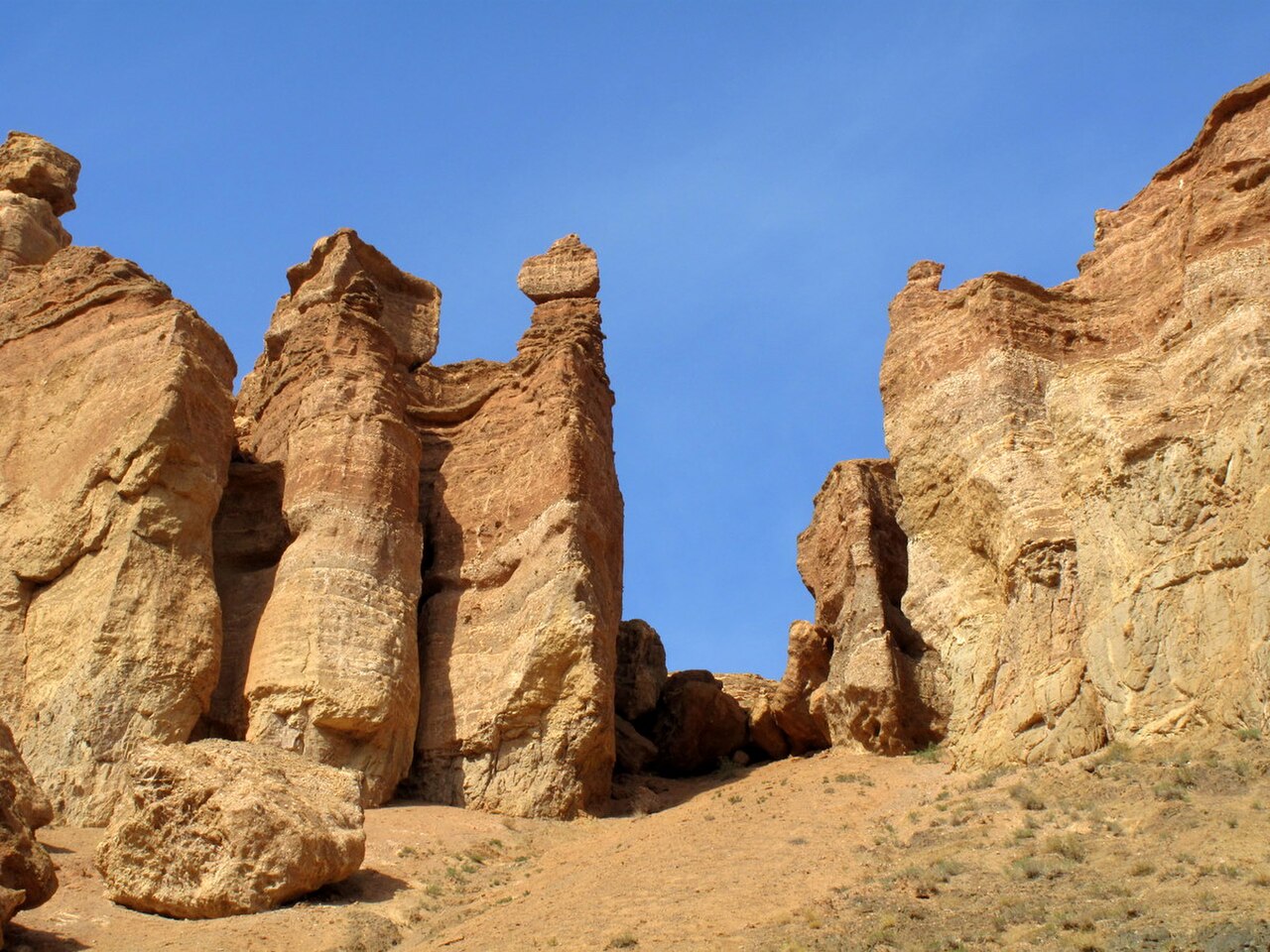
“Charyn Canyon is the second-largest canyon in the world”
Charyn Canyon Is Not Confirmed as the World's Second-Largest Canyon
Unsubstantiated. The claim appears on tourism websites and travel blogs but no recognised scientific or geographical body has published a ranked list that places Charyn in second place. The ranking depends on how a canyon is measured — length, depth, volume, or width — and no methodology is specified.
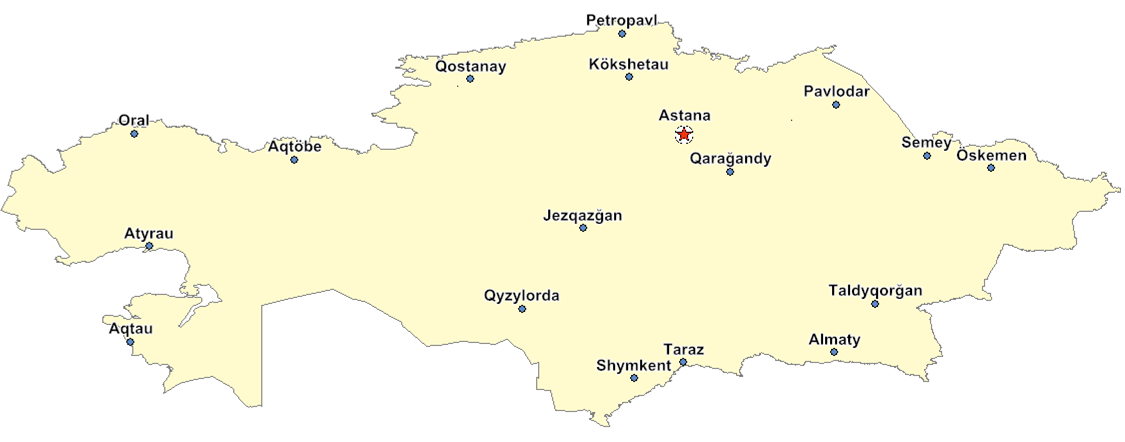
“Kazakhstan is a small or minor country”
Kazakhstan Is the World's Ninth-Largest Country
False. Kazakhstan covers 2,724,900 km² — the ninth-largest country on Earth by area and the largest landlocked country in the world. Its territory exceeds the combined area of France, Germany, Spain, Italy, the UK, Poland, and Sweden together. A population of approximately 20 million gives it a low density, which is sometimes misread as small size.
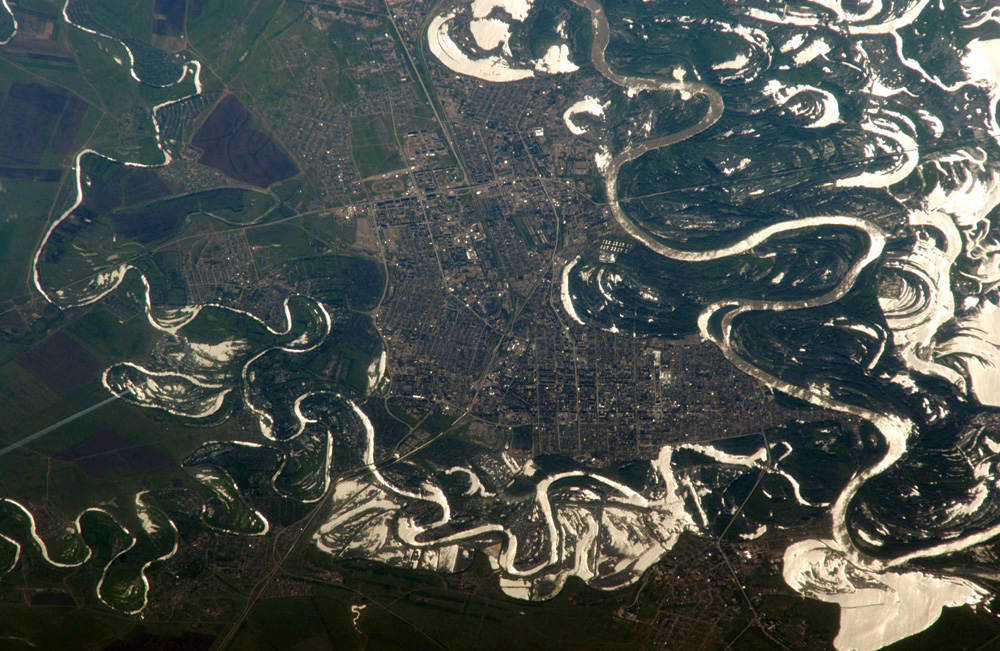
“Kazakhstan is purely an Asian country”
Kazakhstan Is in Central Asia — and Partly in Europe, Depending on the Definition
Partly true. The United Nations classifies Kazakhstan as part of Central Asia. However, if the Europe–Asia boundary is drawn along the Ural River — a convention used by many geographers — the western tip of Kazakhstan falls on the European side. The answer depends on which boundary definition is used.
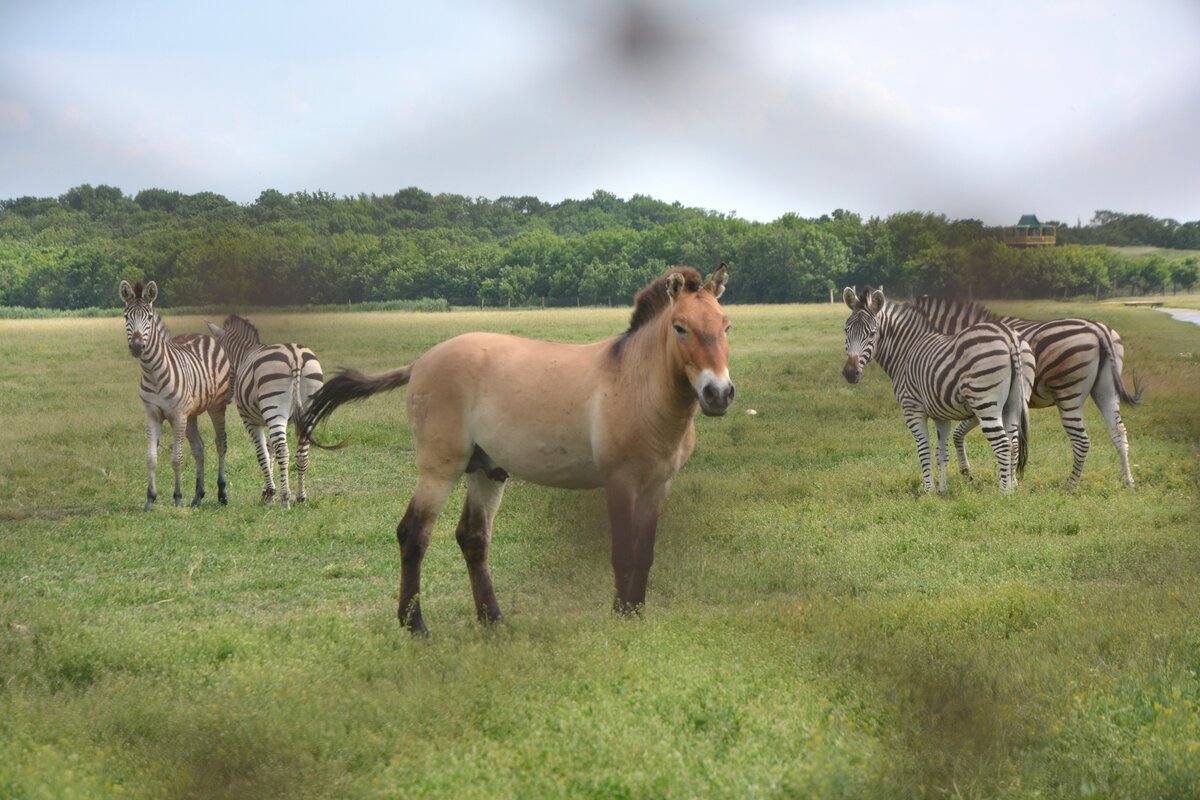
“The first domestic horse was tamed in Kazakhstan”
Did Kazakhstan Domesticate the First Horse? The Science Is Still Contested
Disputed. Archaeological sites in Kazakhstan — particularly Botai, dated to around 3500 BCE — show compelling evidence that people there intensively managed horses: riding, milking, and keeping them in enclosures. However, ancient DNA analysis published in 2021 found that Botai horses are not the main ancestors of modern domestic horses, which appear to originate from a separate population in the western Eurasian steppes.
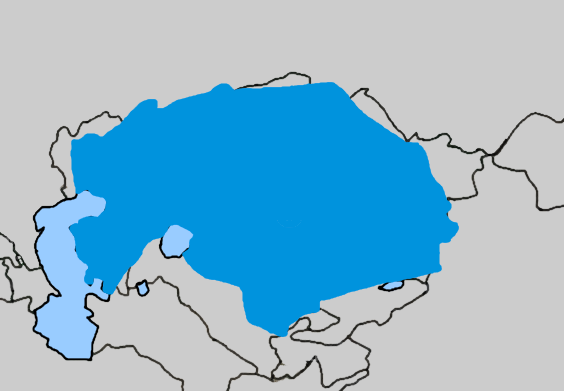
“Kazakhstan had no statehood before 1991”
Kazakh Political Structures Existed Long Before 1991
Misleading. Modern Kazakhstan as a sovereign state dates to 1991. But the claim that no Kazakh political structure existed before independence erases the Kazakh Khanate (1465–1847) and several centuries of organised political life. The Soviet period also included Kazakh Soviet institutions. The question of what counts as 'statehood' involves genuine definitional complexity.
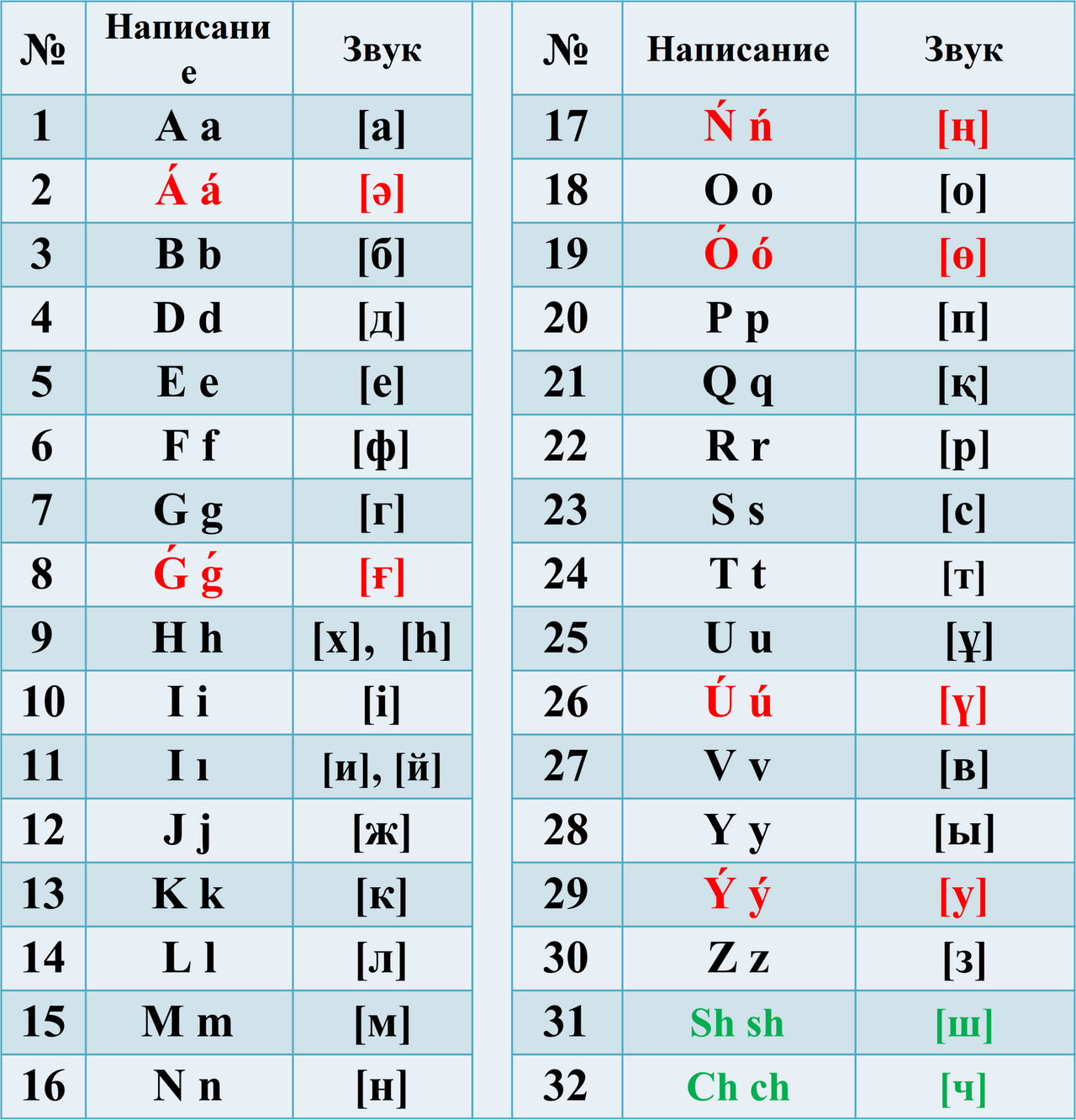
“Kazakhstan has already switched to the Latin alphabet”
Kazakhstan Is Transitioning to the Latin Alphabet — the Switch Is Not Complete
Outdated or premature. Kazakhstan announced a transition from Cyrillic to a Latin-based alphabet for the Kazakh language in 2017, with a phased implementation plan. As of 2025, the transition is ongoing: Cyrillic remains the dominant script in official use, daily life, and education, while Latin is being introduced gradually.
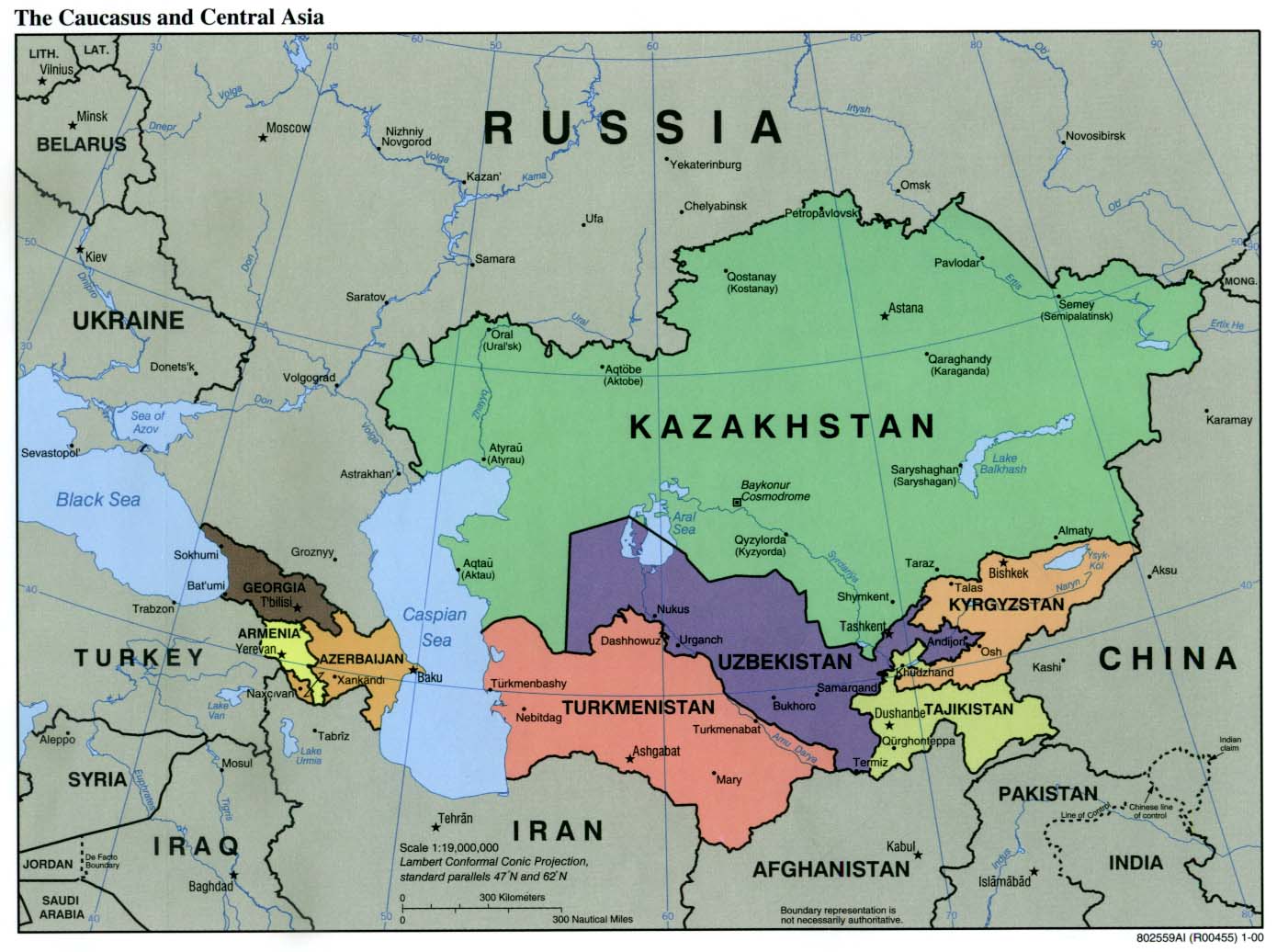
“Kazakhstan is a Middle Eastern or Arab country”
Kazakhstan Is Not a Middle Eastern or Arab Country
False. Kazakhstan is a Central Asian country classified by the United Nations in the Central Asia region. It is not geographically, linguistically, or institutionally part of the Middle East or the Arab world. The Kazakh language is Turkic, not Arabic. Kazakhstan's Muslim majority and geographic proximity to Muslim-majority regions do not make it part of the Arab world.
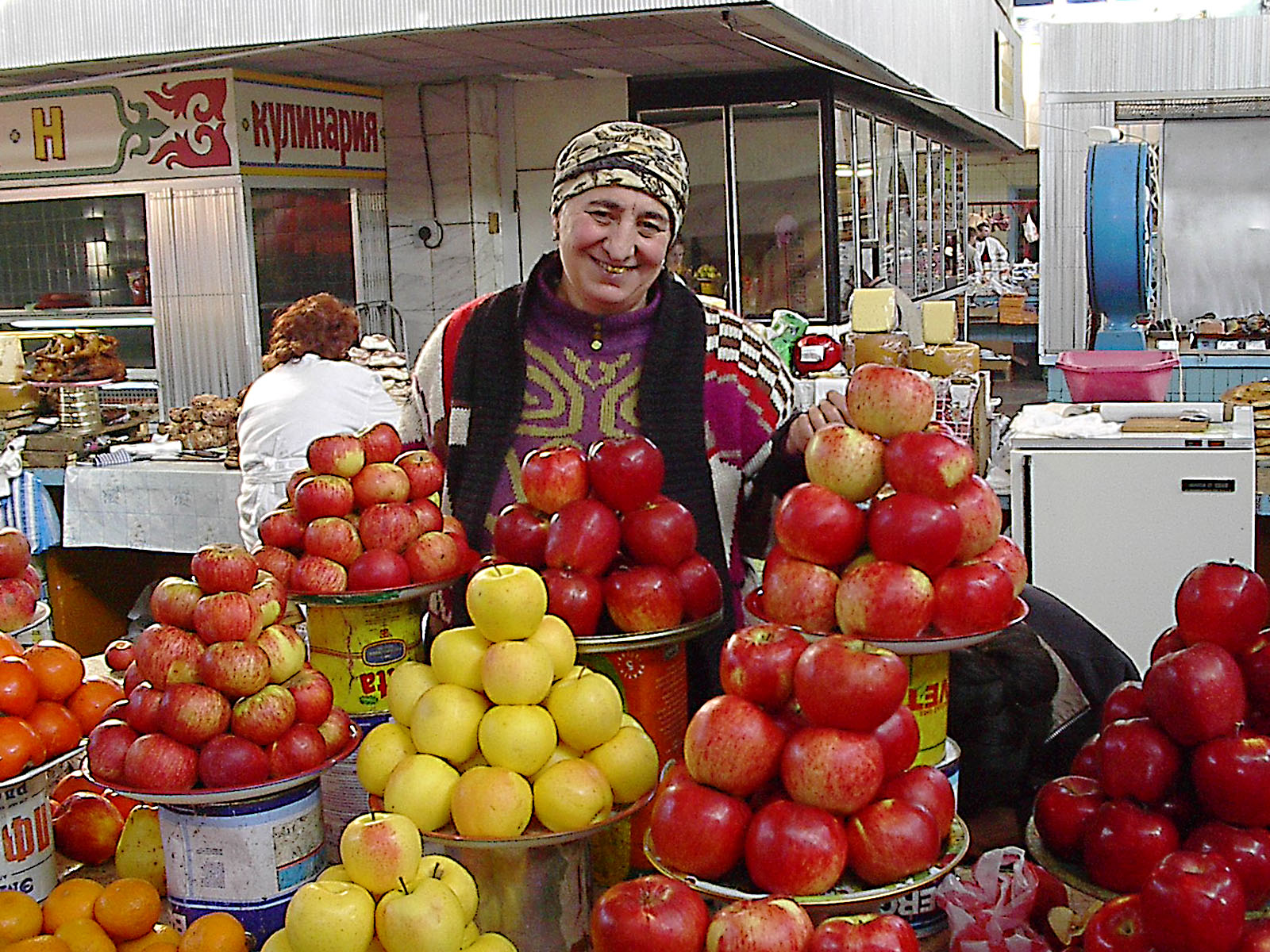
“Kazakhstan is dangerous and unsafe for tourists”
Kazakhstan Is Broadly Safe to Visit
Misleading. The US State Department and UK FCDO both advise 'exercise normal precautions' for most of Kazakhstan — the same level as many Western European destinations. Petty crime in cities requires standard vigilance. Active conflict zones are absent. Tourists have visited without incident in significant numbers.
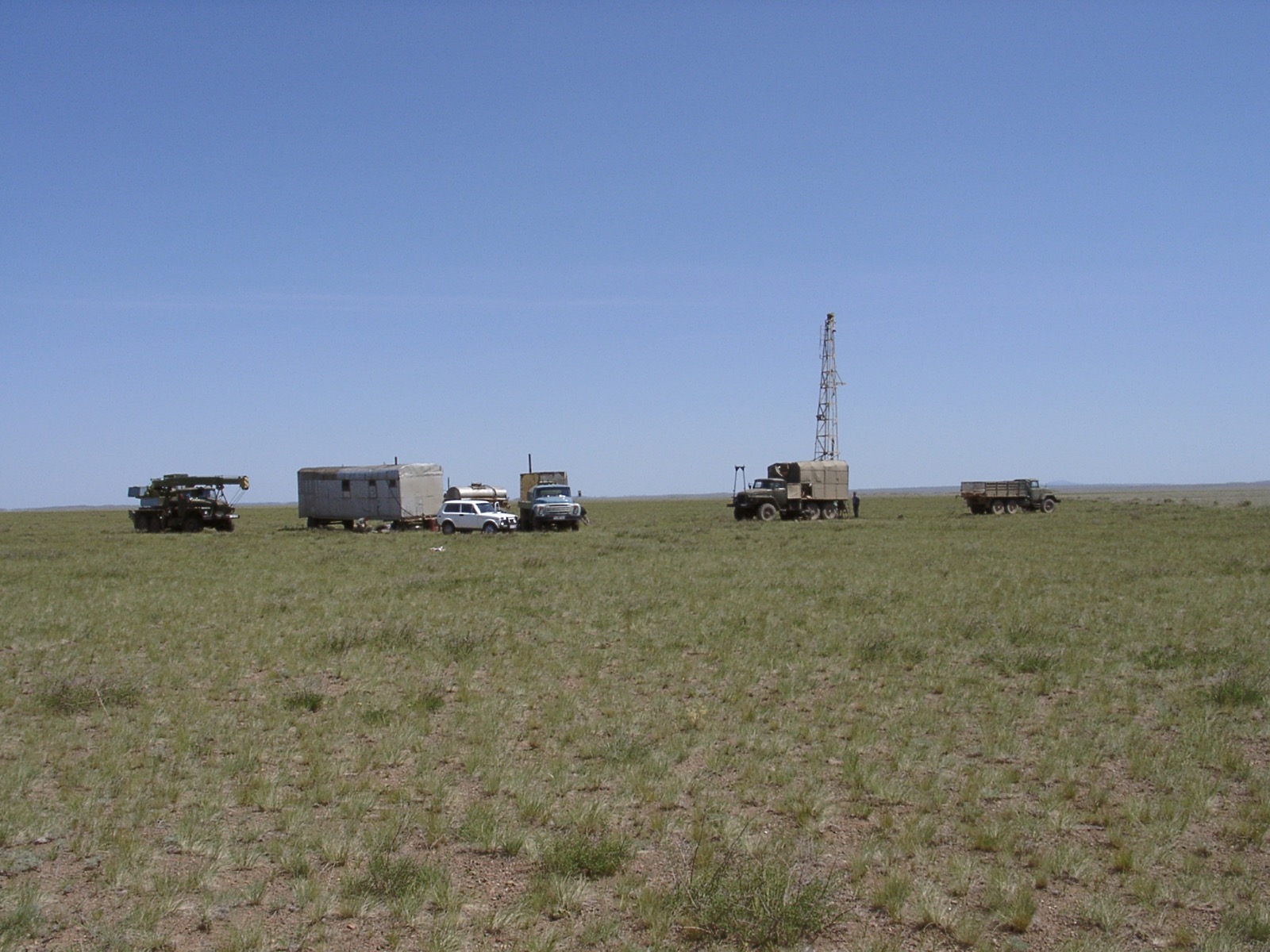
“The Semipalatinsk nuclear test site is now completely safe”
The Semipalatinsk Test Site Is Not Simply Safe or Simply Dangerous
Misleading. Kazakhstan closed the Semipalatinsk Nuclear Test Site in 1991 and remediation work has been carried out on specific zones. However, the site is not uniformly safe: contaminated areas remain, some zones are still monitored or restricted, and the health effects on surrounding populations continue to be studied by international researchers.
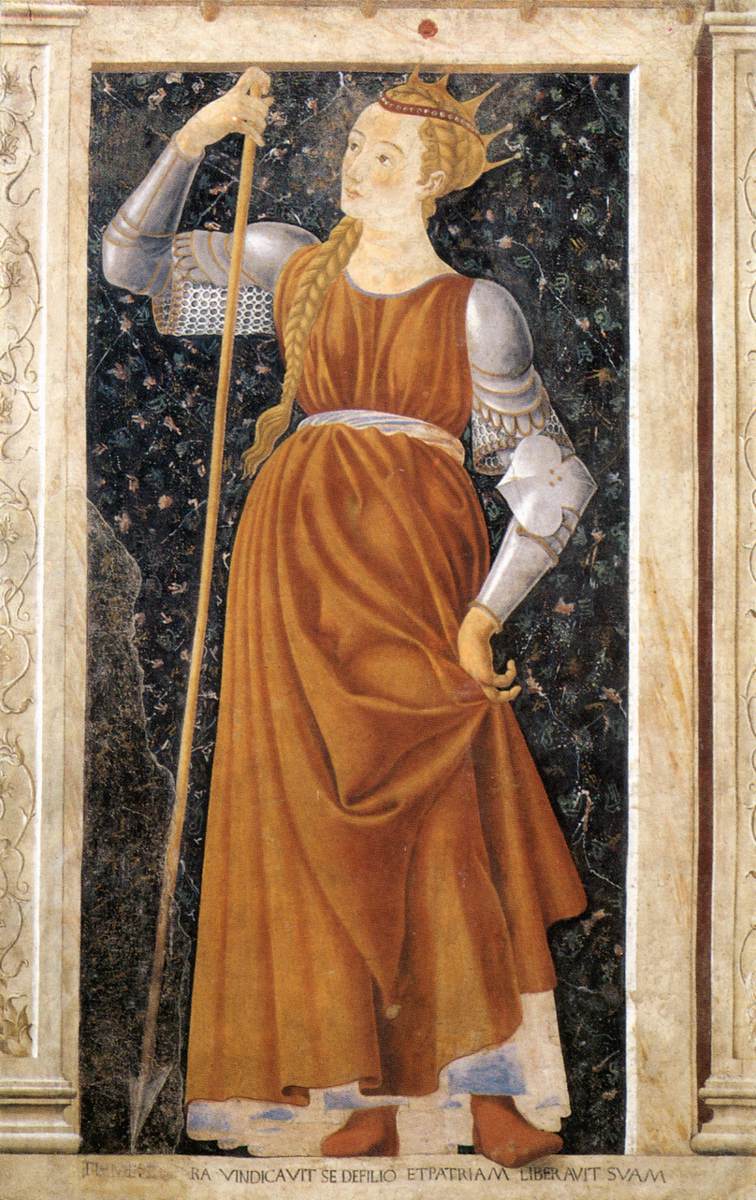
“Tomyris was a Kazakh queen”
Tomyris Was a Historical Figure — Calling Her Kazakh Is an Anachronism
Misleading. Tomyris was a historical or semi-historical figure described by Herodotus as queen of the Massagetae, a nomadic people who inhabited the Eurasian steppe — territory that overlaps with modern Kazakhstan. She is celebrated in Kazakhstani national memory and culture. However, describing her as 'Kazakh' applies a modern national identity to a 6th-century BCE context where that category did not exist.
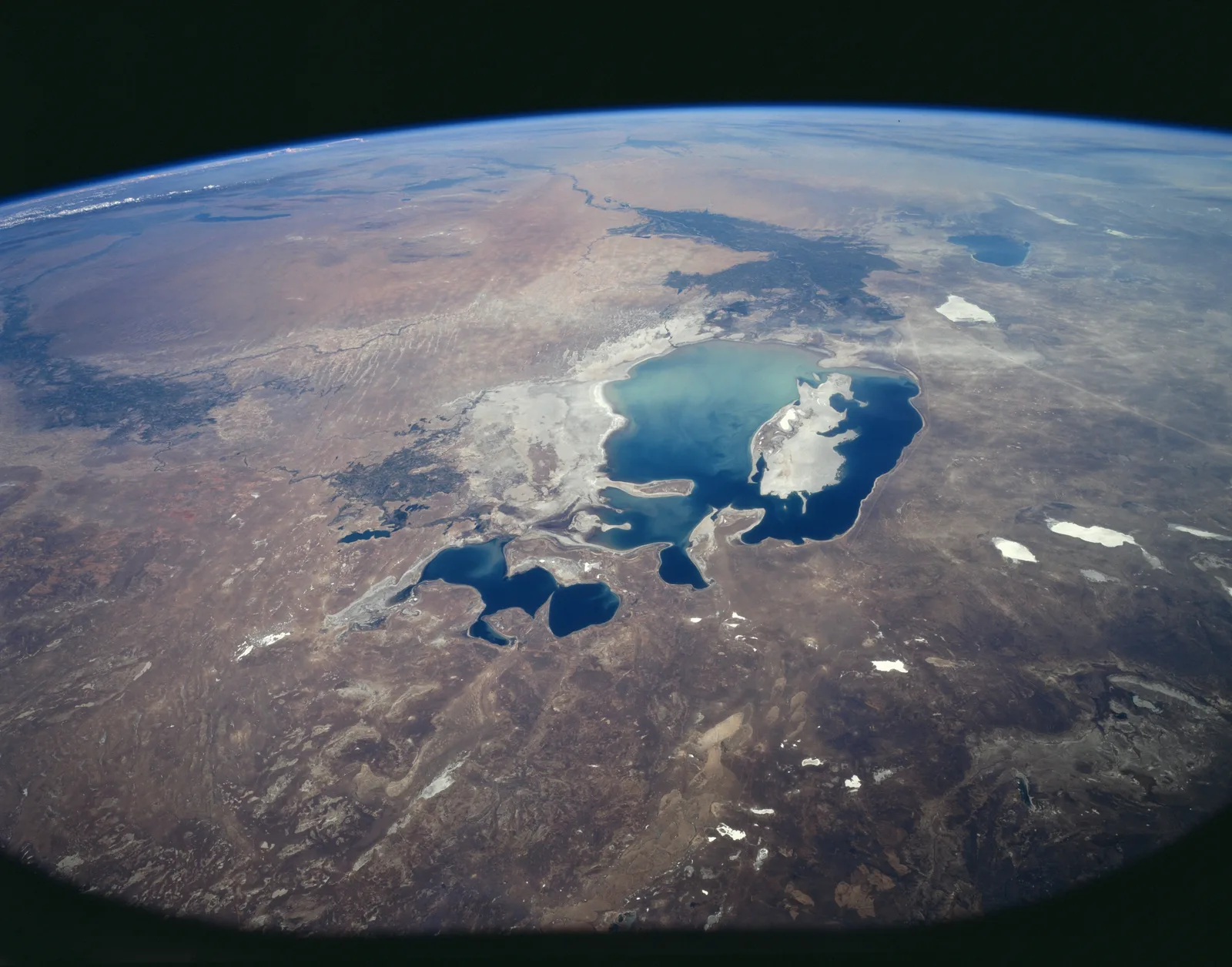
“The Aral Sea disappeared completely”
The Aral Sea Is Not Simply Gone
Misleading. The Aral Sea suffered one of the world's major environmental disasters, but its northern part in Kazakhstan has partially recovered through water-management projects while the wider basin remains severely damaged.
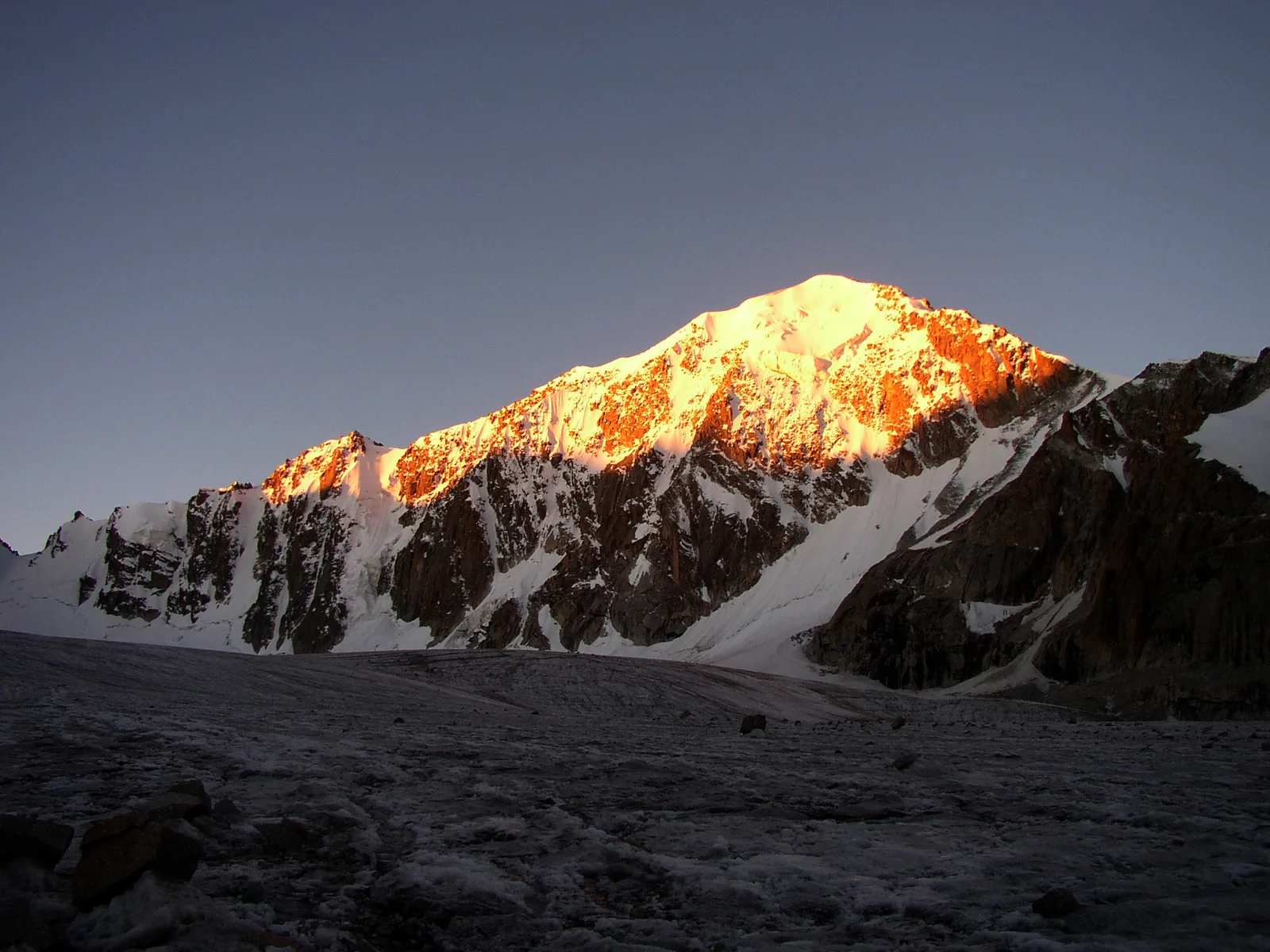
“A giant door in Kazakhstan proves Gog and Magog are hidden in the mountains”
The Viral Giant Door in Kazakhstan Is Not Archaeological Proof
Unverified. A viral 2025 video presented a supposed giant doorway in Kazakhstan's Dzungarian Alatau as evidence of giants or Gog and Magog. The meme spread widely, but virality is not archaeological verification and the available record does not establish the video's claim.
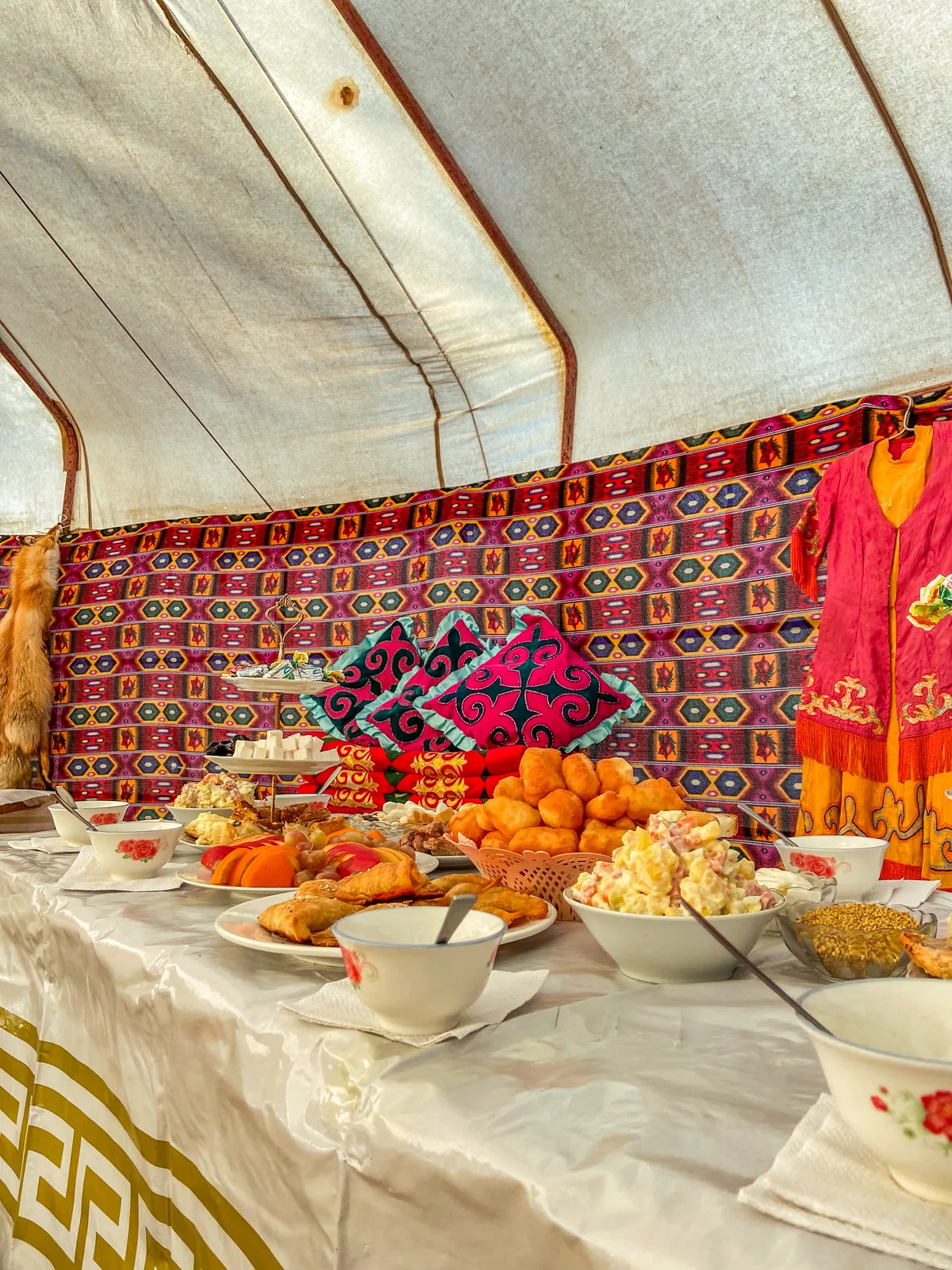
“People in Kazakhstan eat horse meat and drink fermented mare's milk every day”
Kazakhstan Is Not Defined by Horse Meat and Kumys
Misleading. Horse meat, kazy and kumys are important parts of Kazakh culinary heritage, but a traditional food is not a complete description of what every person eats or drinks in contemporary Kazakhstan.
“Kazakhstan has no open internet and no independent public debate”
Kazakhstan Is Not Simply an Offline or Fully Closed Country
Misleading. Kazakhstan has a large connected online public sphere and independent digital projects, but authorities also block sites, restrict journalists and prosecute or pressure people over online expression. The accurate picture is connected and constrained.
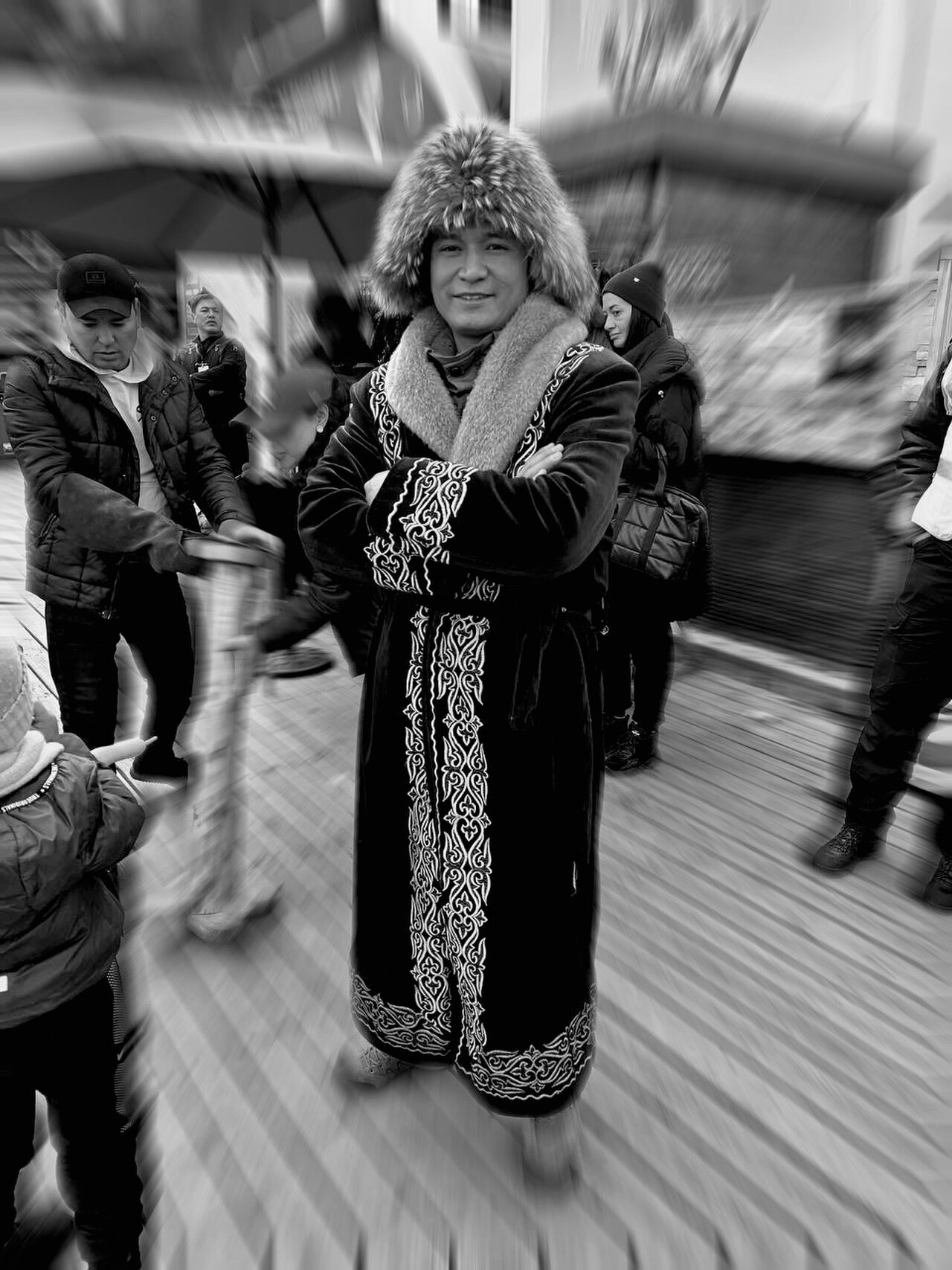
“Kazakhstan memes reveal what all Kazakh people are like”
Kazakhstan's Memes Are Not a Single National Personality
Misleading. Kazakhstan's online memes draw on local languages, folklore, global formats and everyday politics. They are a living digital culture, not a survey of every citizen or a shortcut to national character.
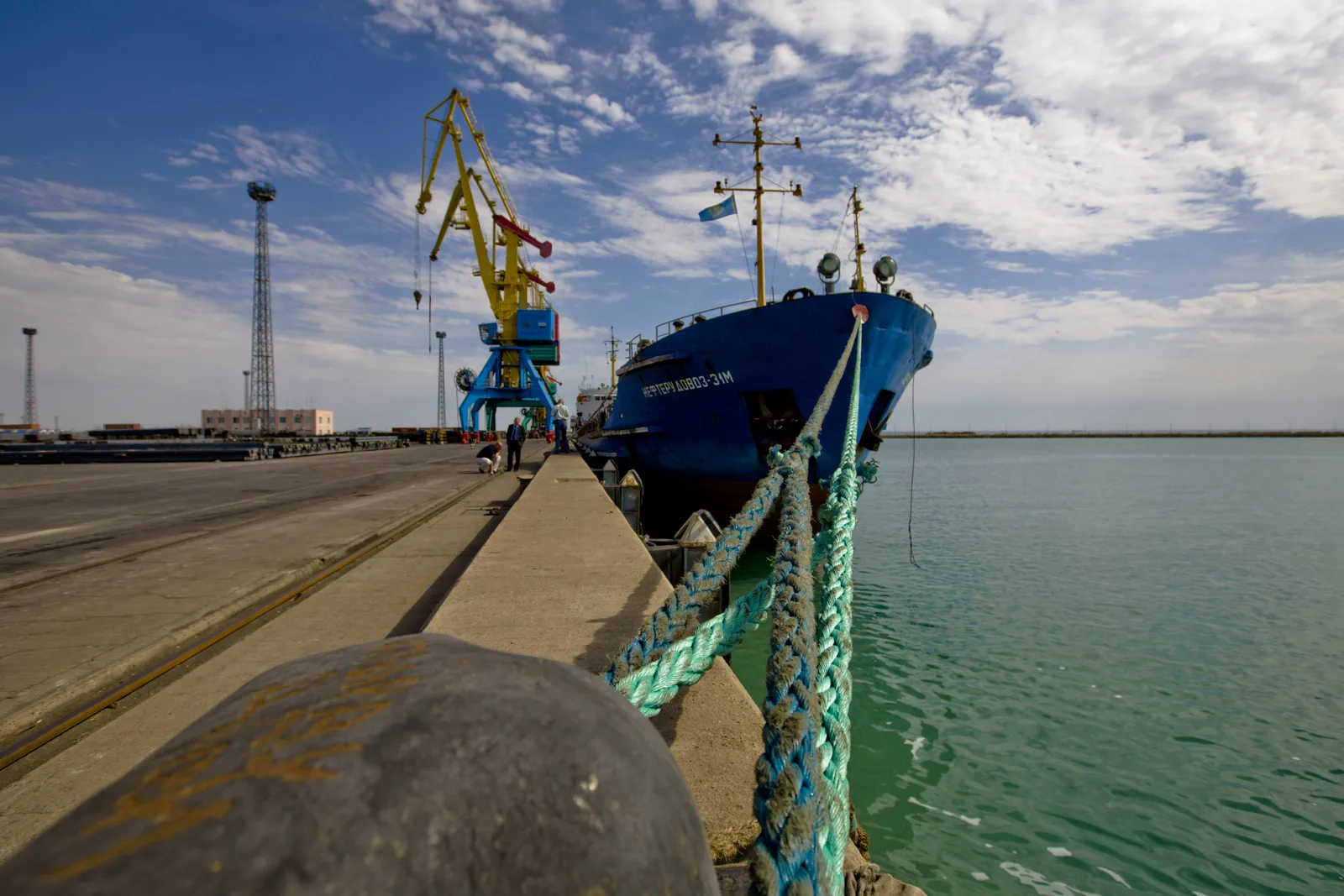
“Kazakhstan has no sea and is cut off from the world”
Landlocked Does Not Mean Isolated
Misleading. Kazakhstan is the world's largest landlocked country, but it borders the Caspian Sea and sits at the intersection of major rail, road, energy and trade routes linking China, Russia, Central Asia and Europe.
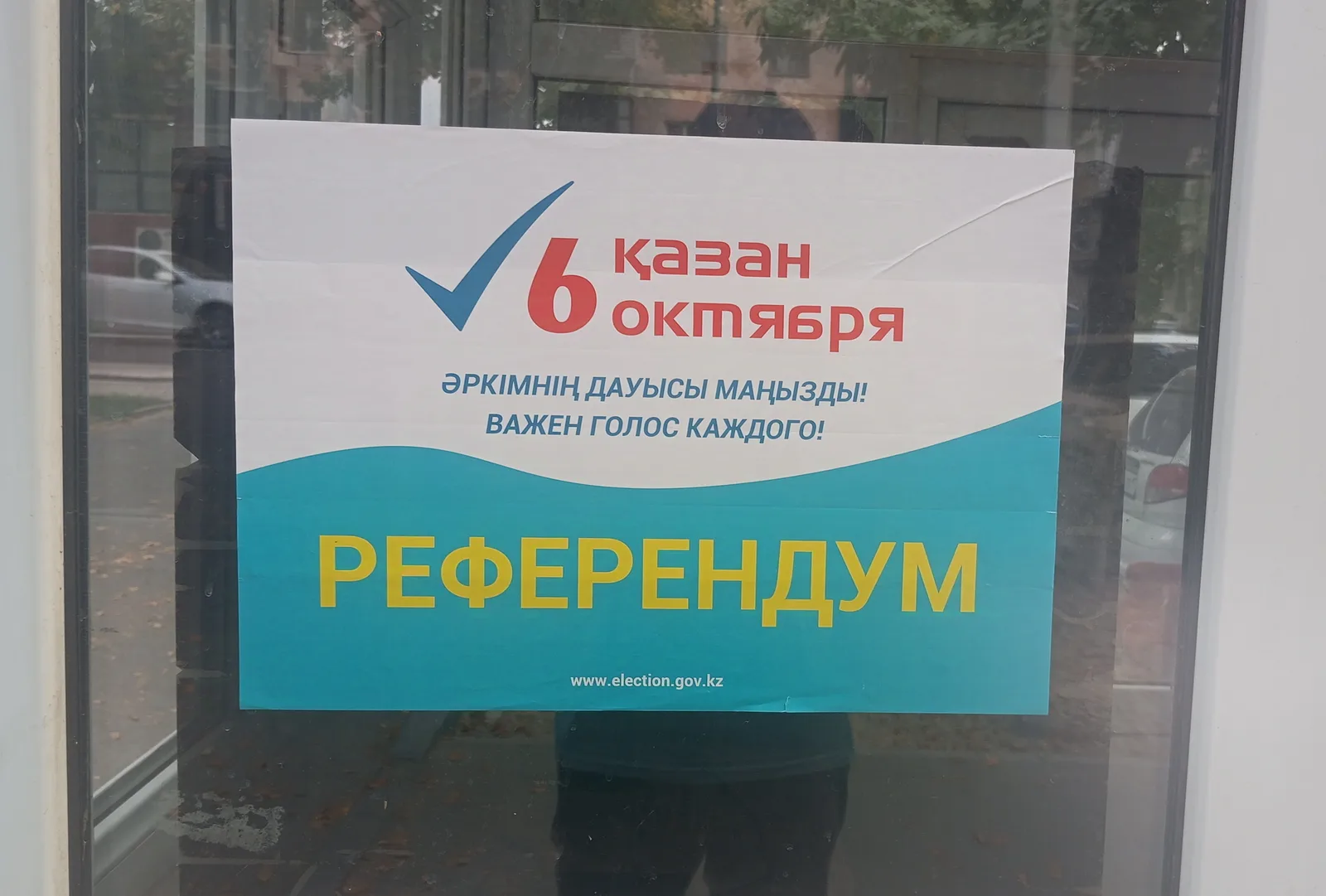
“Kazakhstan is returning to nuclear weapons because it plans a nuclear power plant”
Civilian Nuclear Power Is Not the Same as Nuclear Weapons
Misleading. Kazakhstan's plan for civilian nuclear power is connected to energy supply and infrastructure, while its nuclear-weapons history concerns the Soviet test site and the arsenal it inherited and gave up. The two issues are politically linked but technically different.
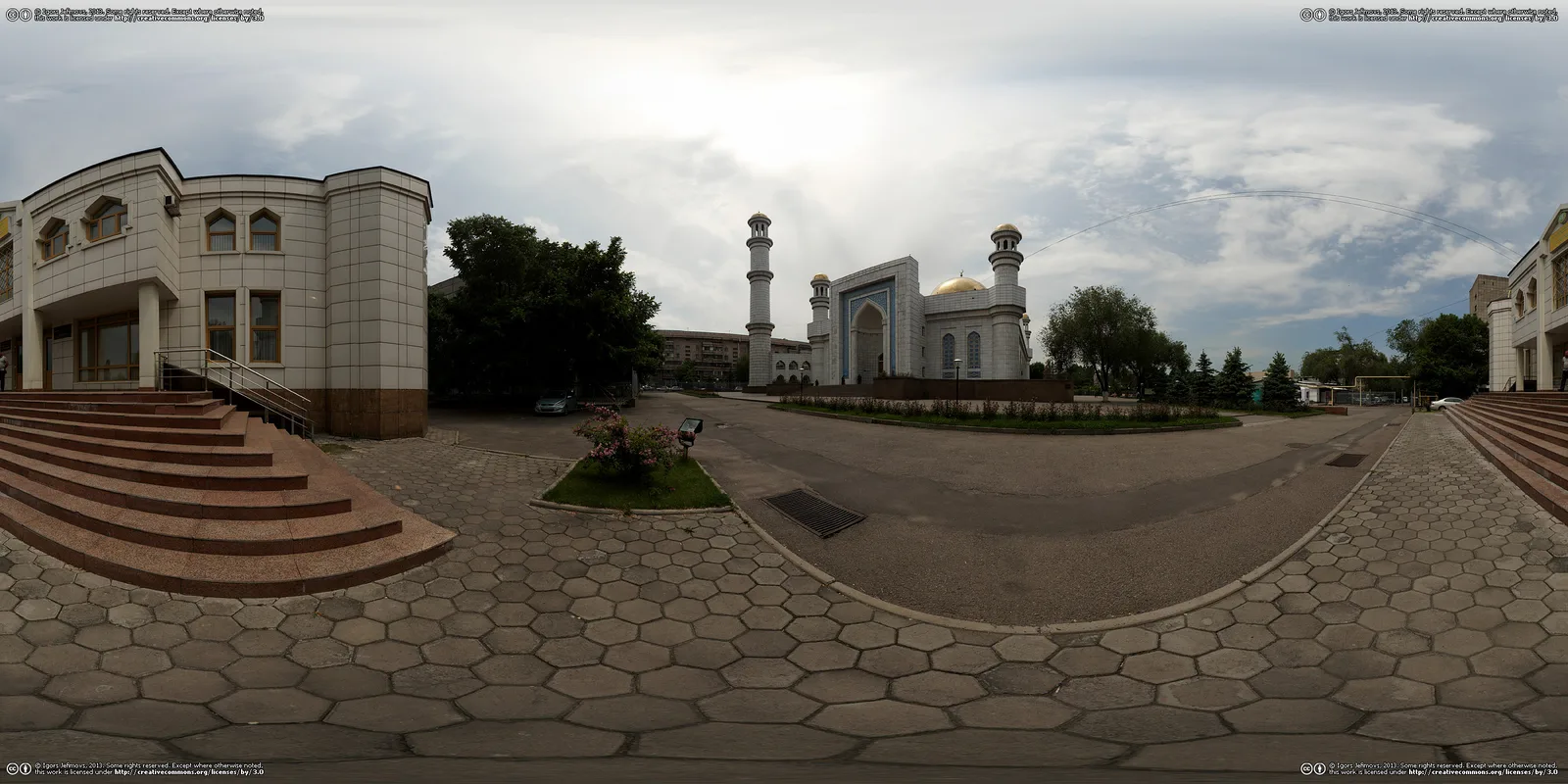
“Kazakhstan is either an Islamic state or a country with no religious life”
Kazakhstan Is Muslim-Majority and Constitutionally Secular
Misleading. Islam is important to Kazakhstan's history and population, but the constitution defines the state as secular and protects freedom of religion. Neither an Islamic-state label nor a claim that religion is absent describes the country well.
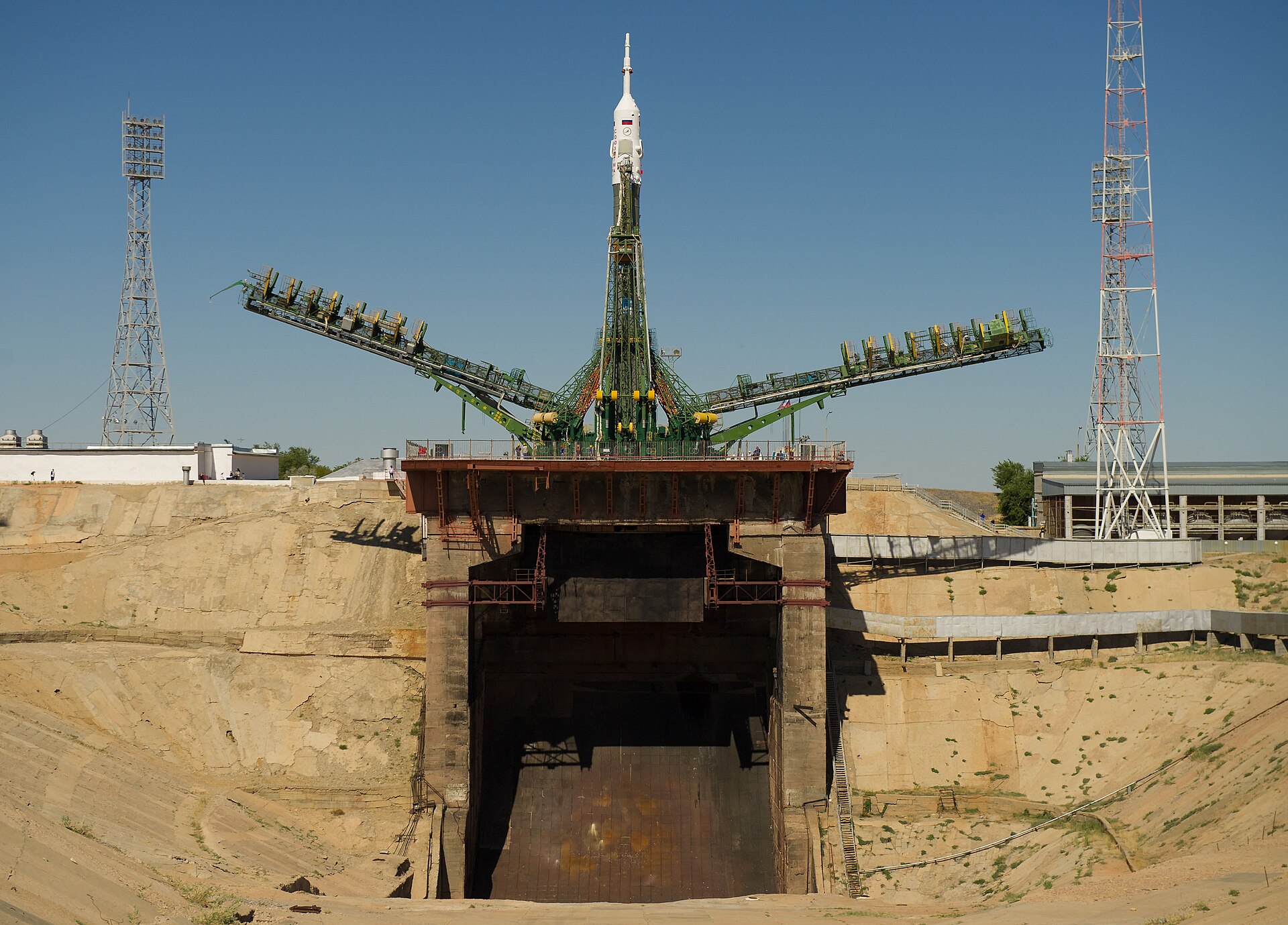
“Baikonur is simply in Russia”
Baikonur Is Kazakhstan's Spaceport, Not a Russian City
Misleading. The Baikonur complex is located in Kazakhstan and is leased by Russia under a bilateral agreement. Its Soviet history and present-day Russian operations do not erase its Kazakhstani location and legal context.
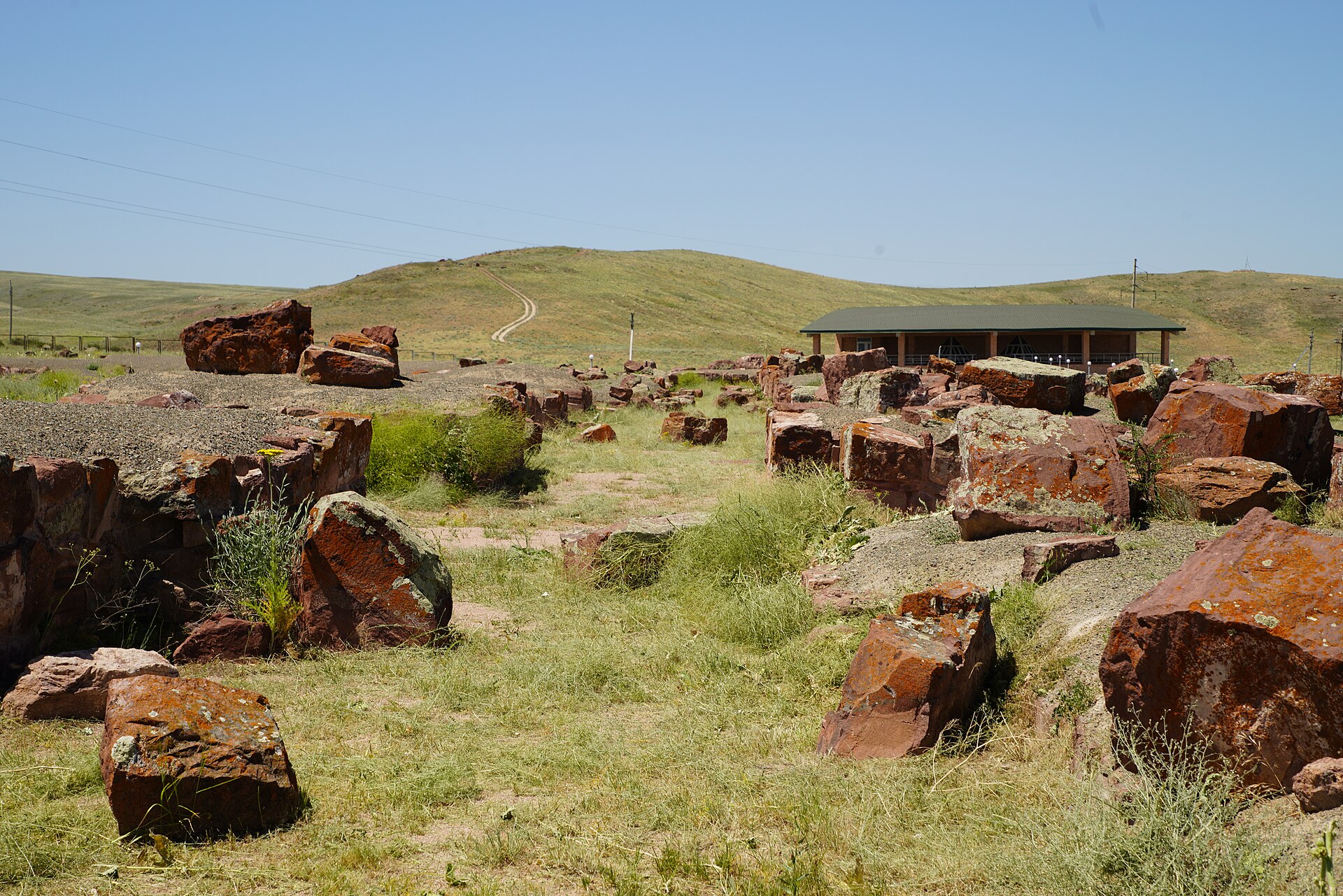
“The Silk Road bypassed Kazakhstan”
Kazakhstan Was a Major Part of the Silk Roads
False. UNESCO’s transnational Chang’an–Tianshan corridor includes sites in Kazakhstan. Kazakhstan’s valleys, settlements and trading routes were part of the connected network rather than an empty gap between China and Europe.
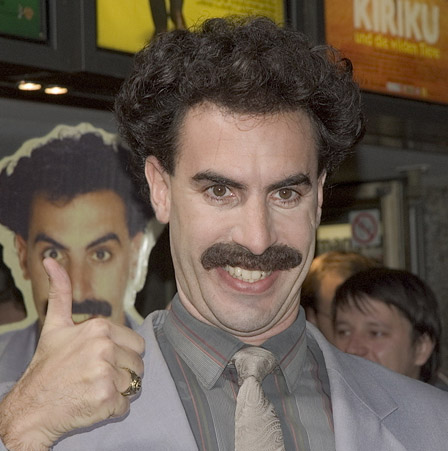
“Borat represents real Kazakh culture”
Borat Is Fiction, Not Kazakhstan
False. Borat is a fictional British comedy character, and the country shown around him is not a factual portrait of Kazakhstan. The films use Kazakhstan as a satirical frame, while reactions among Kazakhstanis have never been uniform.
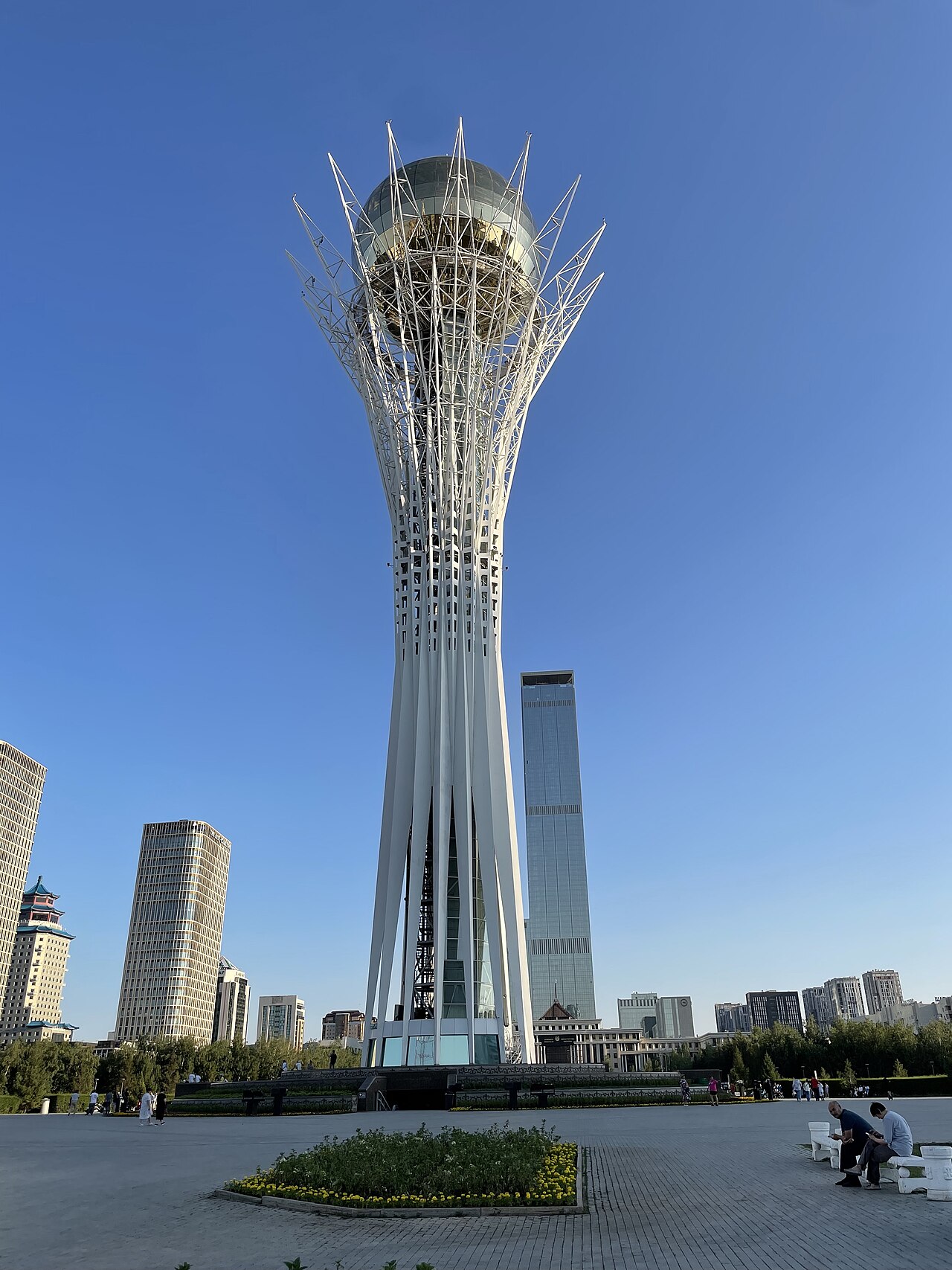
“The capital of Kazakhstan is Almaty”
Kazakhstan's Capital Is Astana, Not Almaty
Outdated. Almaty was the capital of Soviet Kazakhstan and remained Kazakhstan's capital until 1997, when the government moved to a new city built on the northern steppe. That city has since been called Akmola, Astana, Nur-Sultan and then Astana again.
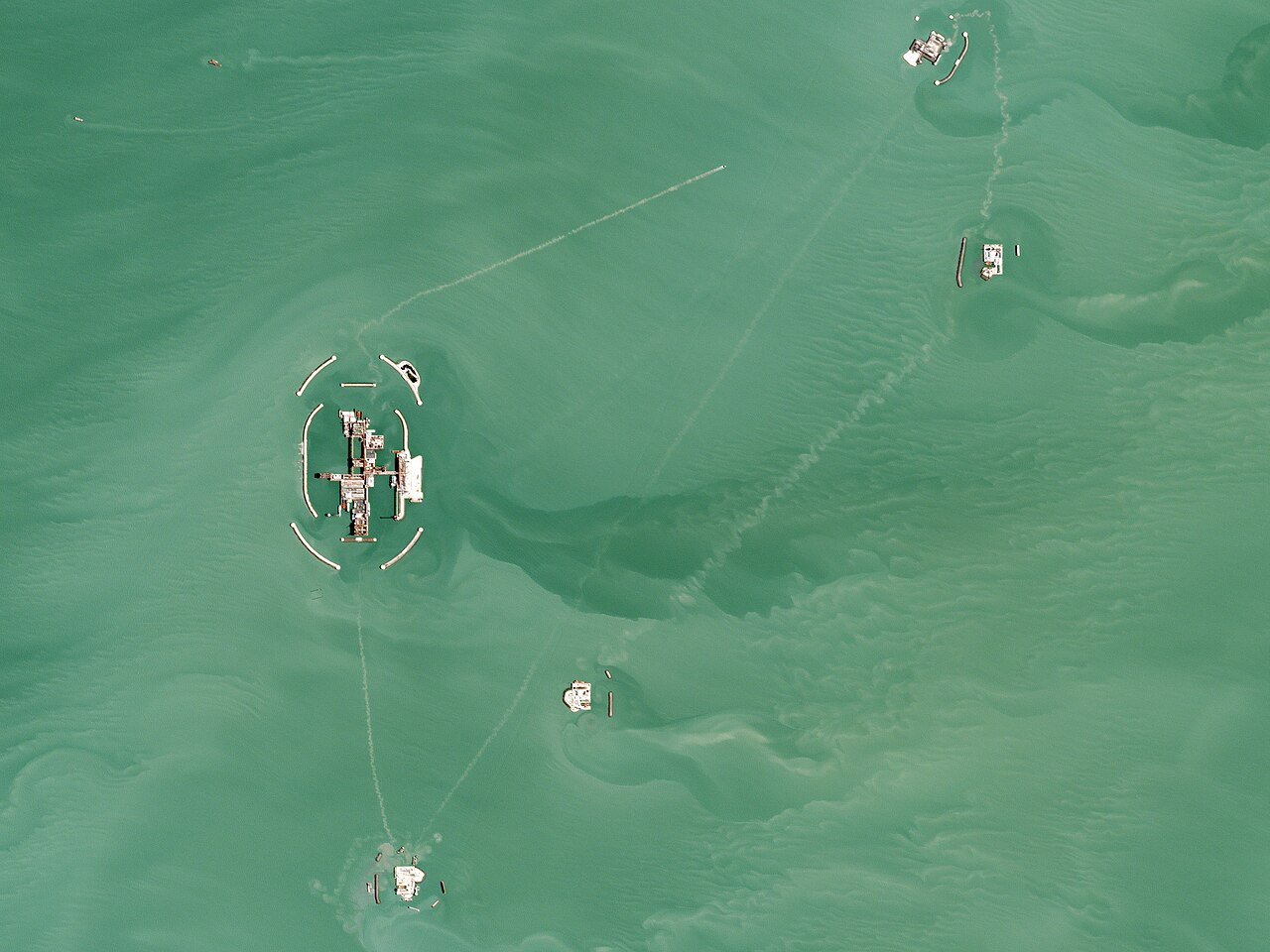
“Kazakhstan runs on oil and nothing else”
Kazakhstan's Economy Is Not Only Oil
Misleading. Hydrocarbons are Kazakhstan's largest export sector and a major state-revenue source, but the economy also includes substantial mining, agriculture, manufacturing, banking, telecommunications and transport sectors. The World Bank classifies Kazakhstan as an upper-middle income country.
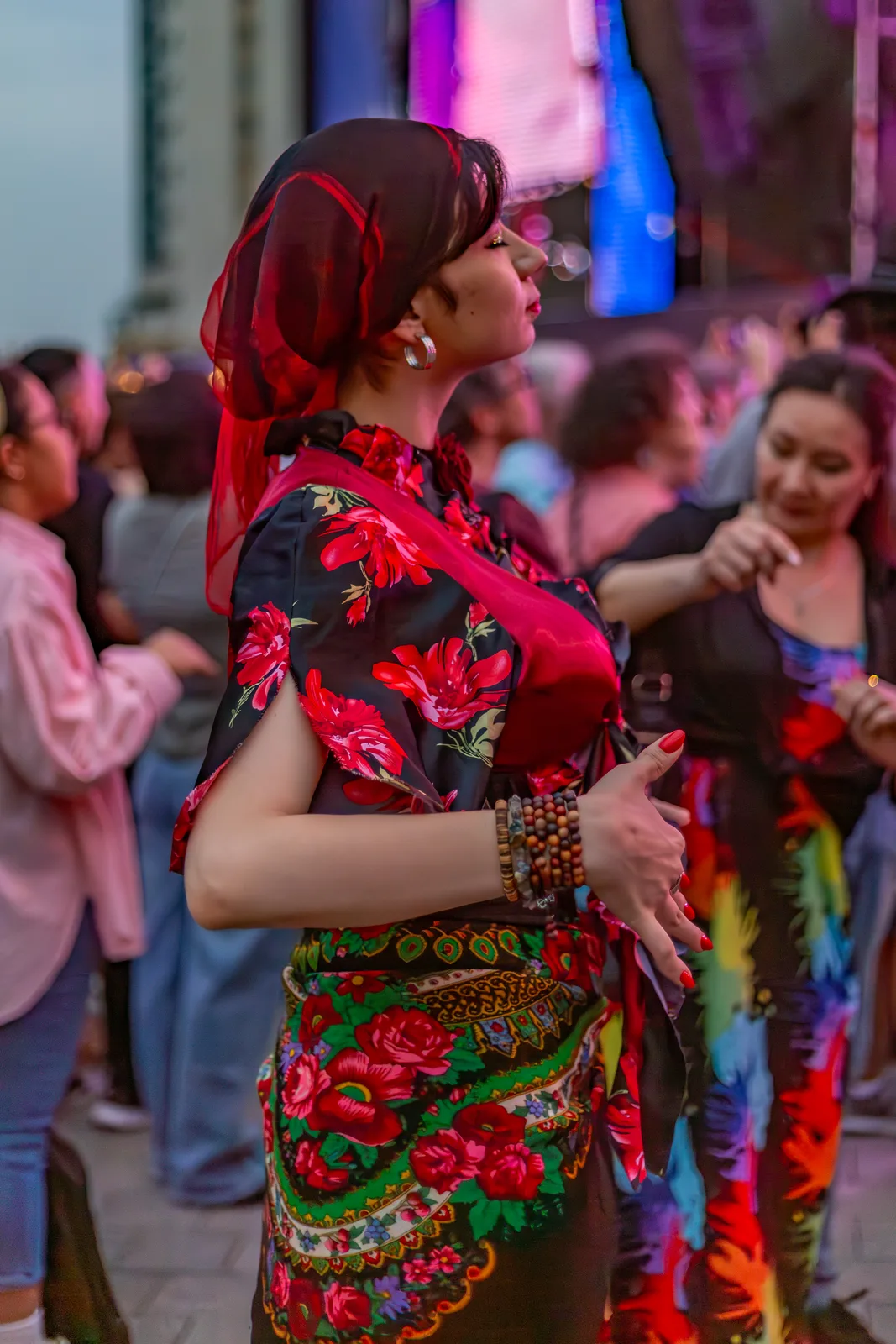
“All Kazakhstanis are ethnically Kazakh”
Kazakhstan Is a Multiethnic Country
False. Ethnic Kazakhs make up roughly 70 percent of the population, but Kazakhstan officially records more than 130 nationalities and ethnic groups — among them Russians, Uzbeks, Ukrainians, Uyghurs, Germans, Tatars, Koreans, Azerbaijanis and many others.
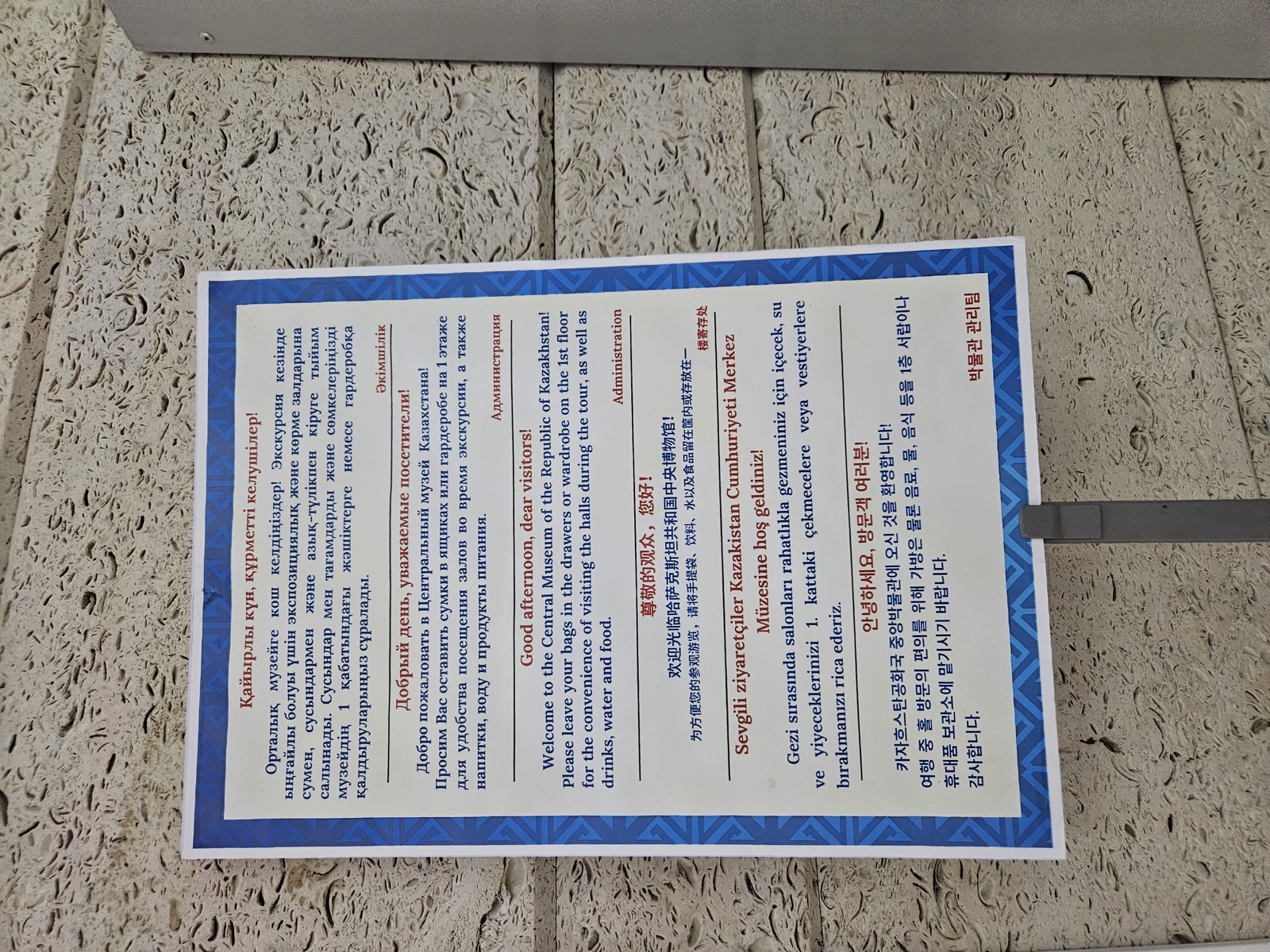
“Kazakh is basically Russian”
Kazakh and Russian Are Different Languages
False. Kazakh is a Kipchak Turkic language, while Russian belongs to the Indo-European language family. Both are widely used in Kazakhstan, but shared public space and script history do not make them the same language.
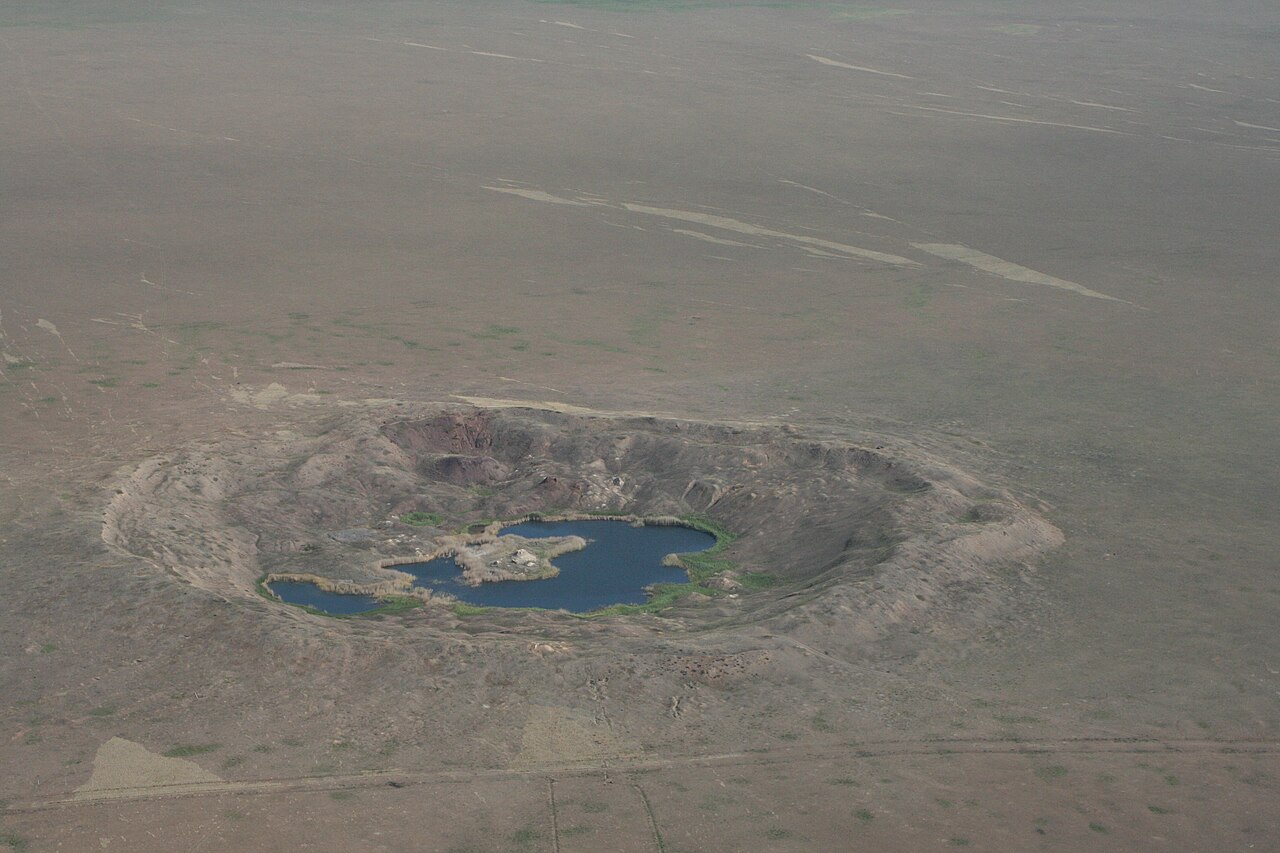
“Kazakhstan is a nuclear-armed state”
Kazakhstan Does Not Still Possess Nuclear Weapons
Historically accurate but now false. Kazakhstan inherited the fourth-largest nuclear arsenal on earth when the Soviet Union collapsed in 1991. It then voluntarily transferred or dismantled all of those weapons by 1995 — and hosted one of the most destructive Soviet nuclear test sites, which affected hundreds of thousands of people.
“Kazakhstan is only flat steppe and desert”
Kazakhstan Is More Than Steppe and Desert
False. Steppe, desert and semi-desert cover large areas, but Kazakhstan also contains major mountain systems, lakes, wetlands, rivers, forests and densely built cities.
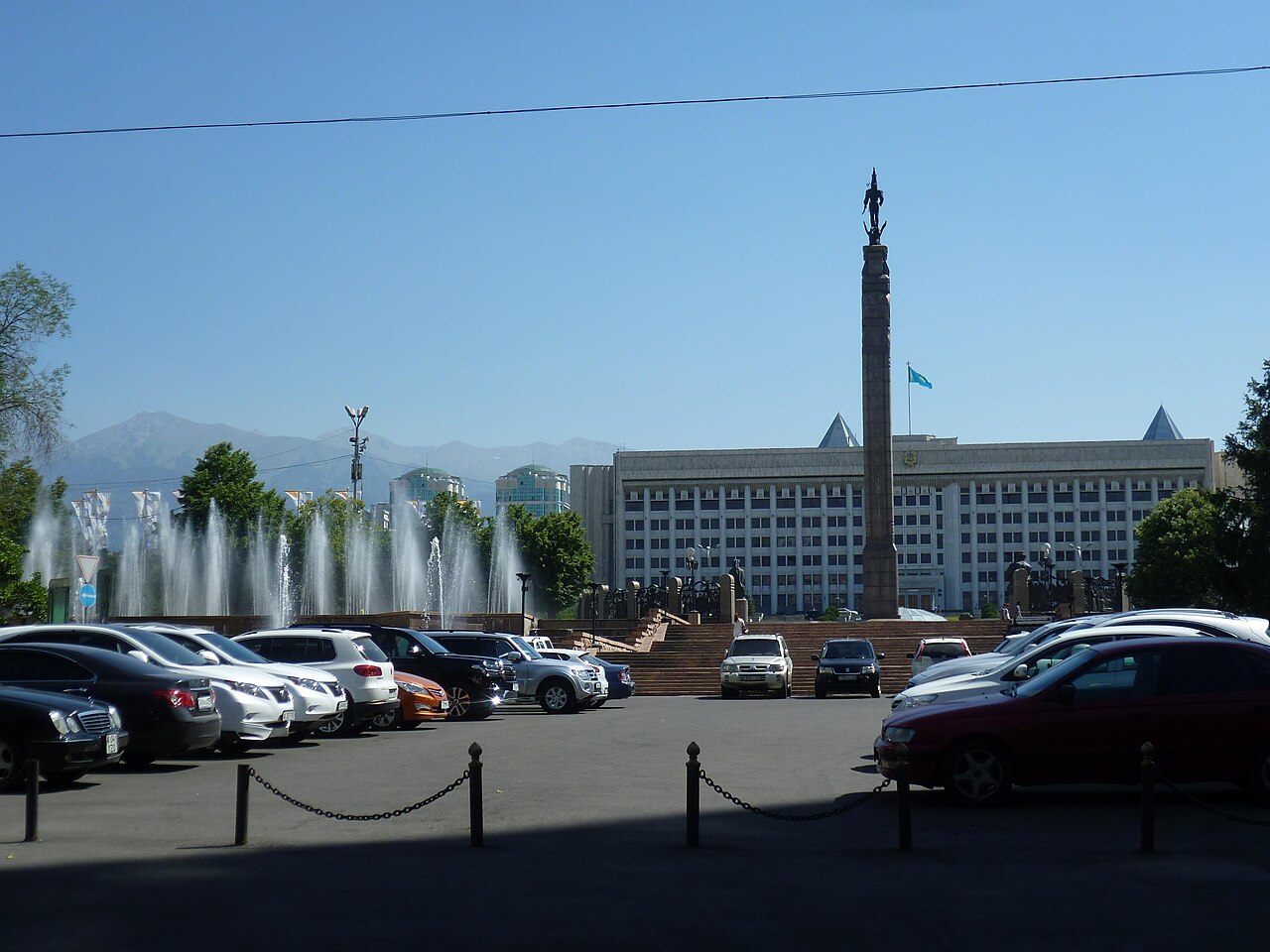
“Kazakhstan is a region of Russia”
Kazakhstan Is Not Part of Russia
False. Kazakhstan is a sovereign United Nations member state with its own constitution, territory and institutions. A long border, Soviet history and close ties with Russia do not make it part of Russia.
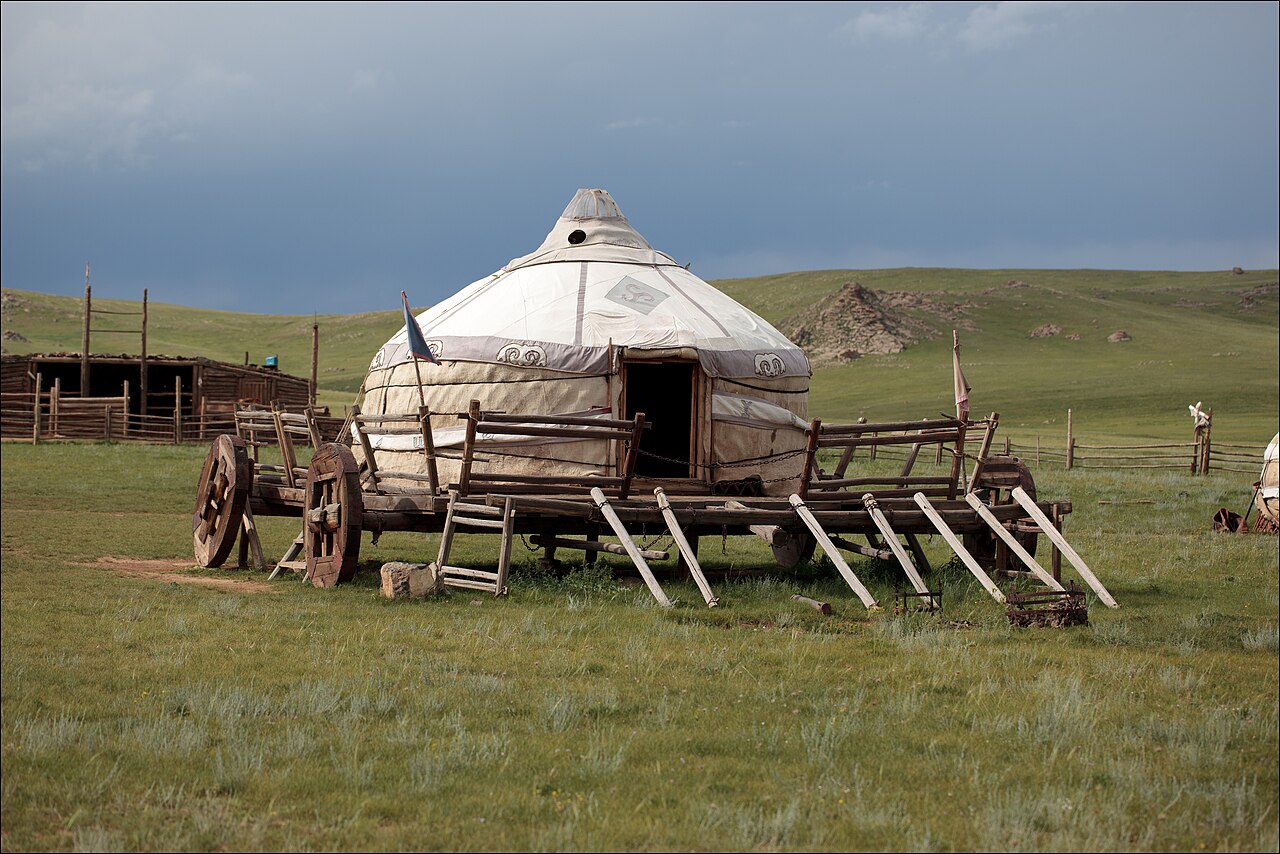
“People in Kazakhstan mostly live in yurts”
Most Kazakhstanis Do Not Live in Yurts
False. The yurt is important living heritage and remains culturally meaningful, but Kazakhstan is a predominantly urban country and most residents live in permanent modern housing.
No matching explainer
Try a broader word or reset the topic filter.