The answer in 20 seconds
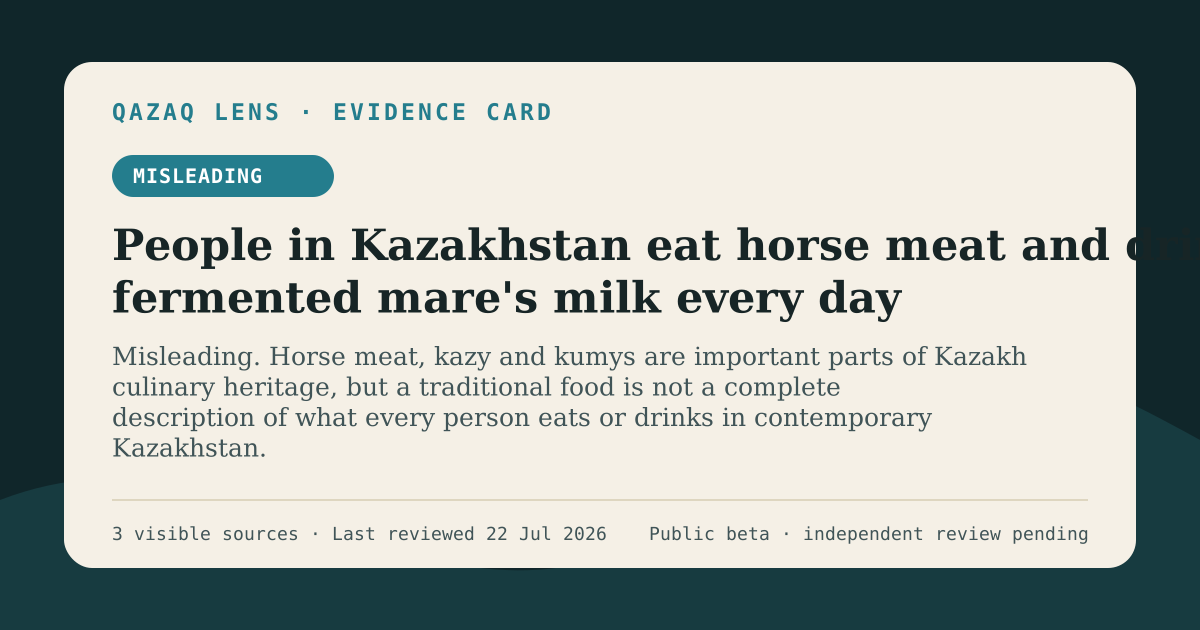
Horse meat and kumys are genuinely important in Kazakh culinary history. Kazy, beshbarmak and fermented mare’s milk can carry memories of hospitality, horse breeding and nomadic life. But saying that every person in Kazakhstan eats horse meat and drinks kumys every day turns a cultural reference into a caricature.C1
Why the stereotype is memorable
Food is easy to photograph and easy to compress into a joke. Horse meat sounds unusual to audiences unfamiliar with it, while kumys is often described through its fermented character rather than its place in a wider food system. International articles and travel posts can repeat the same two items because they are distinctive. Distinctive does not mean universal.
What the tradition actually tells us
Horse breeding is part of Kazakh history, and food practices developed around livestock, mobility, preservation, celebration and hospitality. UNESCO’s description of the spring horse-breeding rites links mare’s milk and kumys to a living seasonal practice that communities have adapted to present conditions. This is stronger than the idea that a “nomadic past” is frozen in everyday life.C1
A wider table
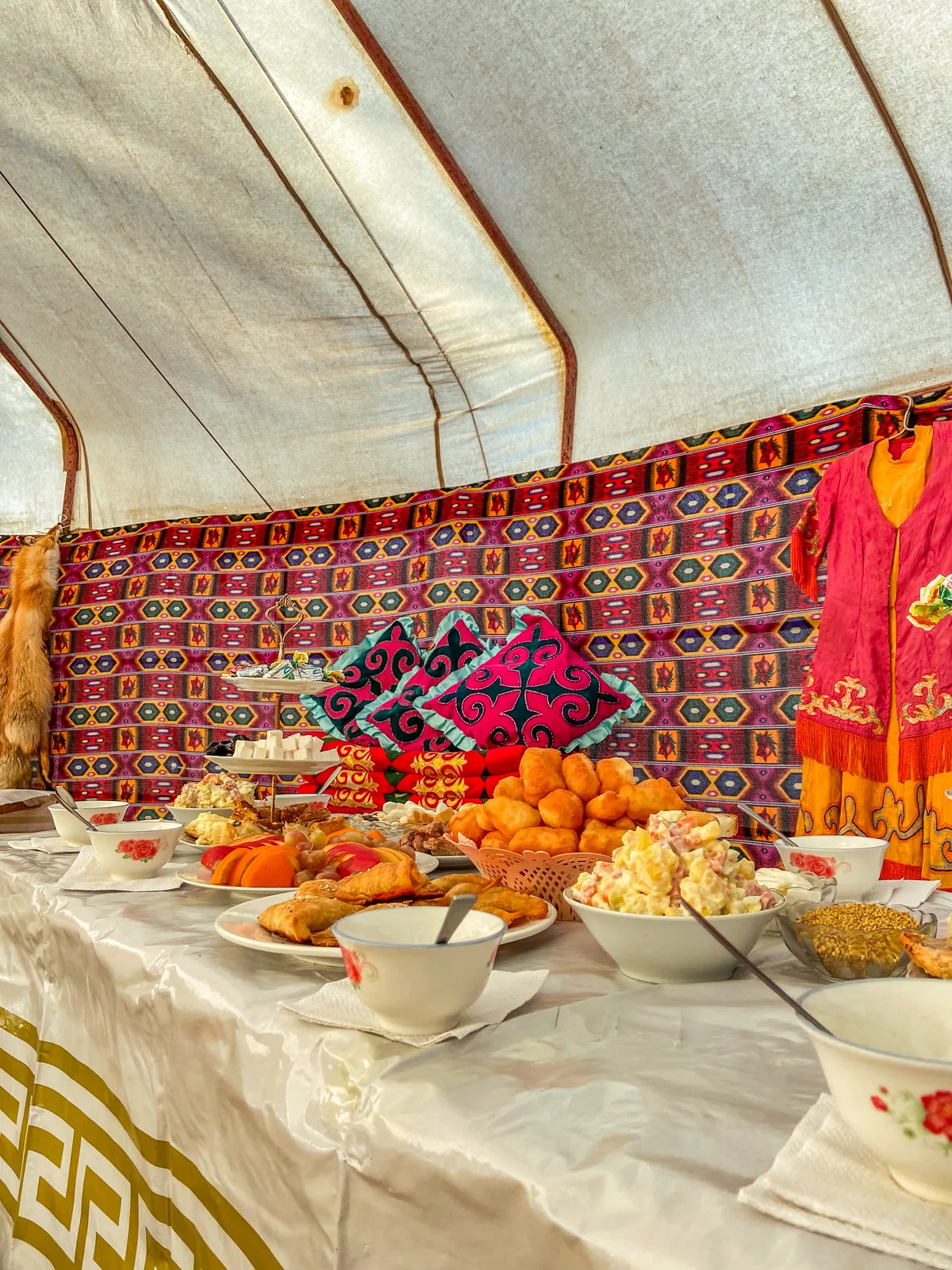
Official cultural descriptions also name beef, lamb, ayran, shubat, baursaks, flatbreads, lagman, kuyrdak and other foods. Kazakhstan’s cities add restaurants and habits shaped by Uyghur, Korean, Uzbek, Russian, Tatar, Dungan and global cuisines. Families differ by region, religion, income, generation and personal taste. Some people love kazy; others rarely eat it; both are ordinary contemporary experiences.C2
Tradition is not a test of identity
It is possible to value horse-related heritage without treating it as a requirement for being Kazakh or Kazakhstani. Food traditions are shared, adapted and sometimes contested. Presenting one dish as proof of a whole nation’s personality makes the cuisine less visible, not more: it hides the social histories and regional variety that make the food meaningful.C3
The modern menu is mixed
A family meal, a wedding table and a tourist tasting are different contexts. A guest may be offered beshbarmak or kazy because hospitality gives traditional foods a special role. On an ordinary weekday, the same household may eat soup, rice, bread, vegetables, noodles, dairy, fast food or dishes associated with another community. City restaurants and supermarkets make those choices even more varied.
Kumys also has a specific cultural and seasonal context. Fermented mare’s milk is not simply “horse milk” in the way an internet joke suggests; its production involves horse breeding, timing, technique and sharing. UNESCO’s inscription describes a living practice that has adapted to settled life. That is a story about continuity and change, not a claim that the whole population follows one diet.C1
Respectful curiosity
Asking what a dish means, who prepares it and when it is served leads to a better conversation than asking whether an entire nation eats something “strange.” Cuisine can be distinctive without being exoticised. The point of correcting the stereotype is not to hide horse meat or kumys; it is to place them inside a fuller, contemporary food culture.
That context makes the tradition more interesting than the shortcut. It also gives communities room to define their own relationship with heritage. in contemporary Kazakhstan today.
Better wording
Say “Horse meat and kumys are important parts of Kazakh food heritage”, not “everyone in Kazakhstan lives on horse meat and fermented milk.”
Where this claim appeared
- Anthony Bourdain: No Reservations — The episode featuring Kazakhstan (2012) heavily foregrounded horse meat and kumys; the episode was widely cited in subsequent travel writing as a definitive portrait of Kazakhstani diet
- Reddit r/food — “What do people eat in Kazakhstan?” questions typically receive horse meat and kumys as the first and most-upvoted answers (reddit.com/r/food)
- Lonely Planet Kazakhstan — The food section opens with a full page on horse meat and kumys before mentioning any other food; this framing shapes reader expectations before arrival (lonelyplanet.com/kazakhstan)
- YouTube travel vlogs — Searches for “Kazakhstan food” return dozens of videos where the entire food segment consists of horse meat tastings, with no representation of the broader urban diet (youtube.com)
Reader context
Comments
Comments are moderated before publication. Keep them specific, sourced and respectful.
No published comments yet. Add the first useful context.