The answer in 20 seconds
Kazakhstan’s nuclear-power debate is about electricity, energy security, cost, safety and environmental risk. It is not automatically a decision to build nuclear weapons. The confusion persists because the country has uranium resources, a Soviet weapons-testing legacy and a history of giving up inherited nuclear weapons.C2
What a power plant does
A nuclear power plant uses controlled fission to generate heat and electricity. It requires a reactor, cooling systems, operators, regulators, fuel management and plans for radioactive waste and emergency response. A civilian programme can be controversial without being a military programme. Questions about cost, construction partners, safety and public trust are legitimate questions about infrastructure.C1
Why Kazakhstan’s history changes the conversation
The Soviet Union used the Semipalatinsk test site for nuclear weapons experiments. Communities experienced long-term health and environmental harm, and the memory remains central to public discussion. Kazakhstan also became known for closing the test site and giving up the nuclear weapons inherited after the Soviet collapse. That history means a new civilian reactor is discussed through memory as well as energy policy.C3
The safeguards question
Civilian nuclear activity is subject to international safeguards and non-proliferation obligations. Those safeguards do not make every project automatically safe or politically wise, but they distinguish a regulated electricity programme from a weapons effort. The correct evaluation asks who regulates the plant, how waste is handled, how emergency plans work and how transparent the decision-making process is.C2
Energy need is not a blank cheque
Supporters point to rising electricity demand, ageing coal infrastructure and the country’s uranium expertise. Critics ask about construction cost, seismic and environmental risk, waste, the choice of contractor and public oversight. These are ordinary policy disagreements. Calling every supporter a weapons advocate or every critic anti-science prevents the public from evaluating the actual project.
Memory and modern policy
The Semipalatinsk legacy makes safety language especially important. Communities affected by testing have reason to demand consultation, monitoring and accountability. A civilian reactor does not repeat the history of atmospheric weapons tests, but it does operate in a society that remembers what state secrecy and nuclear risk did to people. That is why the debate cannot be reduced to a simple technology-versus-fear story.
Why the meme is misleading
Online posts often move from “Kazakhstan produces uranium” to “Kazakhstan can build a bomb” and then to “a power plant proves a weapons return.” Each step leaves out technology, law, institutions and political choice. A country can debate nuclear electricity while maintaining a non-proliferation position. It can also oppose a specific plant without opposing all civilian nuclear science.
Better wording
Say “Kazakhstan is debating civilian nuclear power against the background of a traumatic weapons history”, not “a nuclear plant means Kazakhstan is rebuilding nuclear weapons.”
Where this claim appeared
- Twitter/X (2023) — When Kazakhstan announced feasibility studies for a nuclear power plant, multiple viral threads cited the Soviet weapons testing history as proof the project was militarily motivated
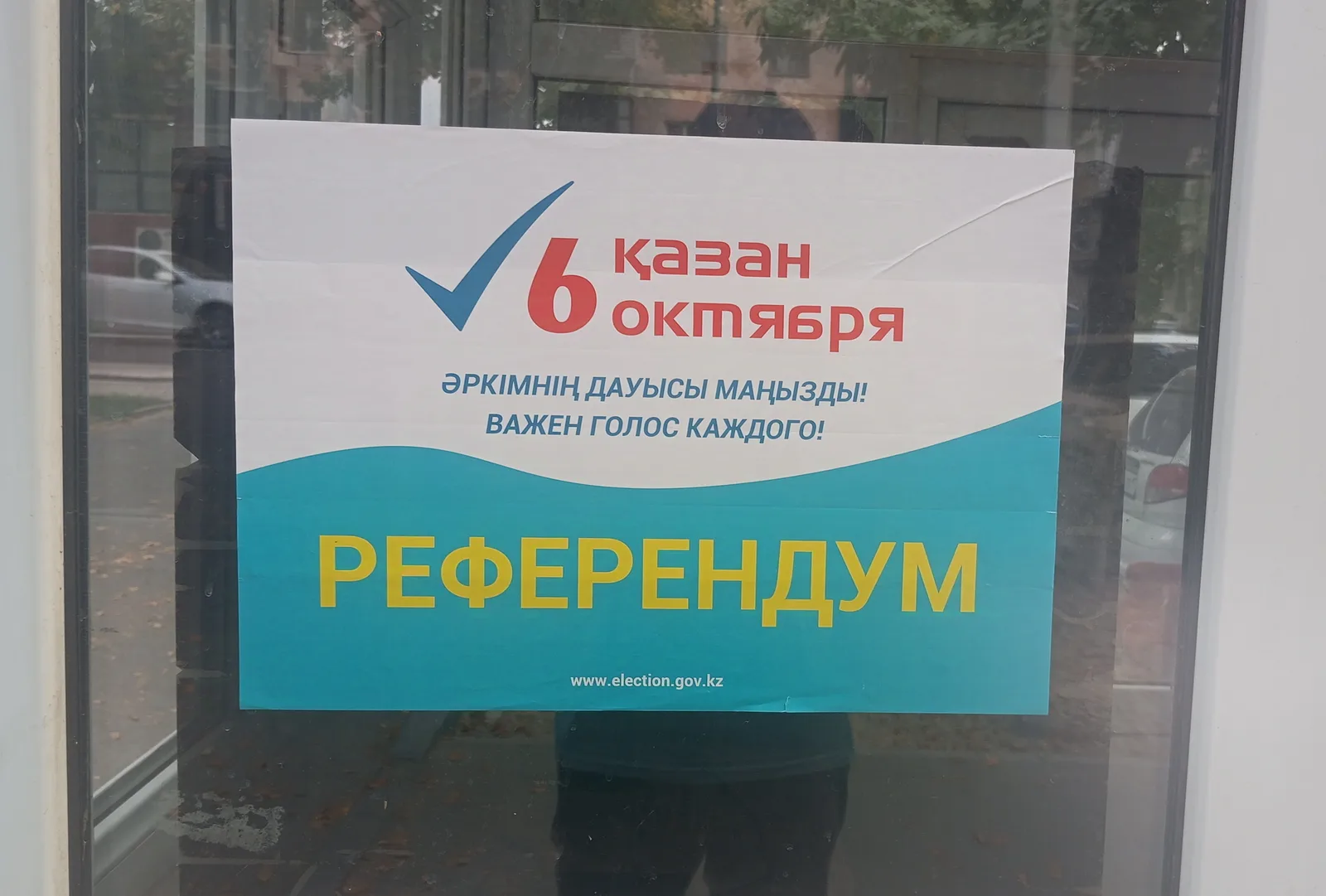
- Reddit r/worldnews (2023) — A thread on Kazakhstan’s nuclear energy referendum produced hundreds of comments conflating civilian reactor technology with weapons capability (reddit.com/r/worldnews)
- The Guardian comment sections — Coverage of Kazakhstan’s energy transition repeatedly saw reader comments linking the words “nuclear” and “Kazakhstan” back to Semipalatinsk and weapons history (theguardian.com)
- Eurasianet (2023) — An otherwise accurate piece on the energy referendum attracted sharing with misleading excerpts that removed the civilian/military distinction (eurasianet.org)
- Al Jazeera English (2024) — Coverage of the referendum result noted public confusion between civilian nuclear energy and weapons; viewer comments reflected exactly this conflation (aljazeera.com)
Reader context
Comments
Comments are moderated before publication. Keep them specific, sourced and respectful.
No published comments yet. Add the first useful context.