The answer in 20 seconds
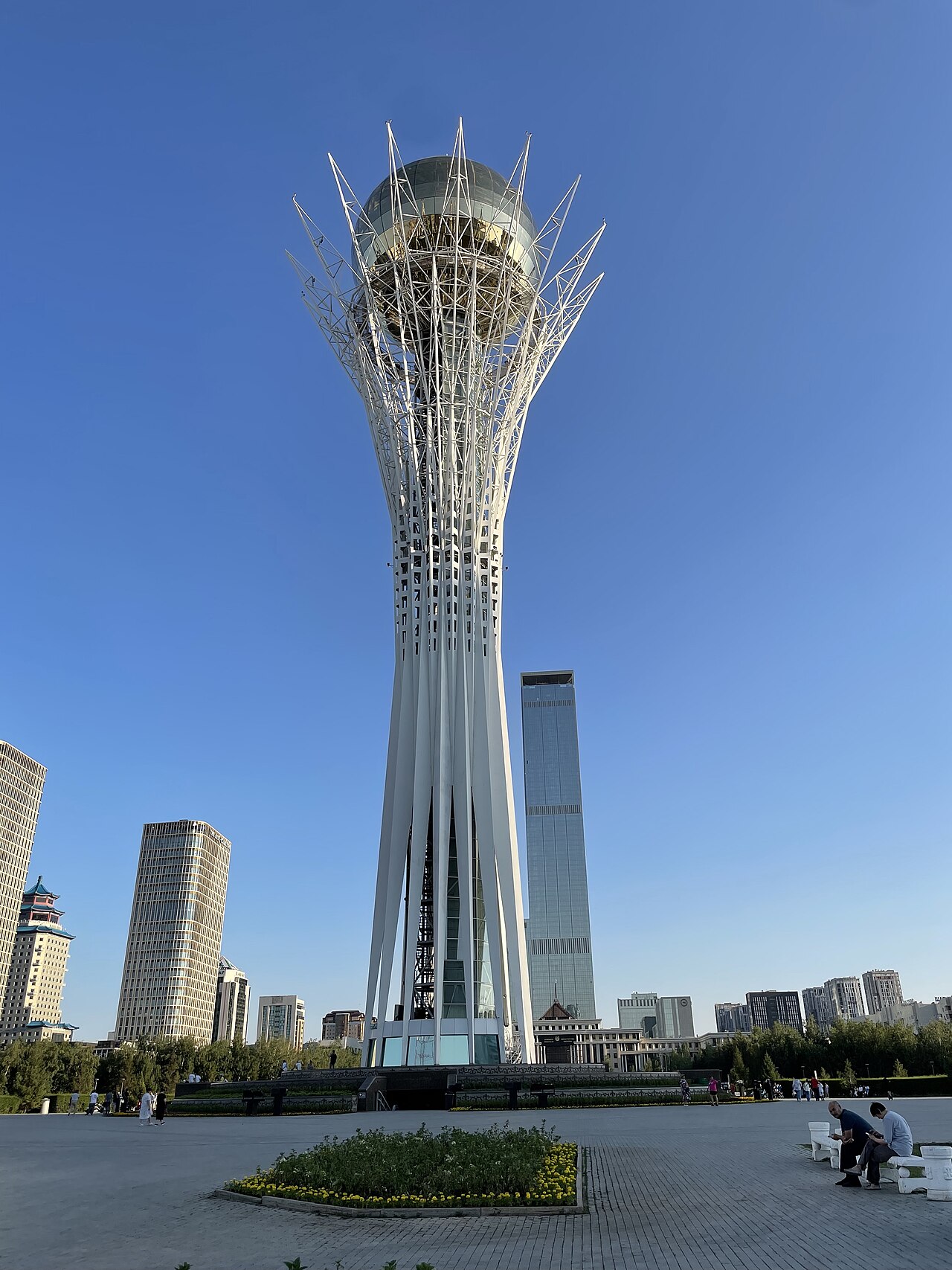
Kazakhstan’s capital is Astana, a city in the north of the country. Almaty — the former capital and still the largest city — has not been the capital since 1997.C1
Why do people still say Almaty?
Almaty was the capital of the Kazakh Soviet Socialist Republic and remained Kazakhstan’s capital for the first years of independence. References published before 1997, older travel guides, outdated encyclopaedia entries and people who learned about Kazakhstan during the Soviet period often still name Almaty as the capital. The confusion is understandable given the city’s continued prominence — but it has been factually wrong for nearly three decades.
Why was the capital moved?
The Kazakh government announced and implemented the capital transfer in the mid-1990s under President Nursultan Nazarbayev. The official rationale included several factors:
- Geographic balance: Almaty sits near the south-eastern edge of the country, close to the Kyrgyz and Chinese borders. A central or northern capital would more evenly distribute state presence across Kazakhstan’s large territory.
- Earthquake risk: Almaty is in a seismically active zone at the foot of the Zailiysky Alatau mountains. The city has a significant historical earthquake record.
- Growth constraints: Almaty’s physical growth was considered limited by its mountain location and existing dense development.
- Strategic positioning: Placing the capital on the northern steppe, closer to Russia and to the Slavic-majority northern regions of Kazakhstan, carried political and demographic significance in the post-Soviet transition period.
The capital transferred formally in December 1997.C2
The history of the city’s names
The capital city has had four official names in the post-Soviet period alone, which adds to general confusion:C3
Name history of Kazakhstan's capital
- Soviet era Tselinograd (Целиноград) — administrative hub of the Virgin Lands agricultural campaign.
- 1992 Renamed Akmola (Ақмола) as Kazakhstan established its own state identity after independence.
- 1997 Capital formally transferred from Almaty; government institutions relocate to the north.
- 1998 Renamed Astana (Астана) — the Kazakh word simply means “capital city.”
- 2019 Renamed Nur-Sultan (Нұр-Сұлтан) in honour of former President Nazarbayev following his resignation.
- 2022 Renamed back to Astana after Nazarbayev lost his official constitutional positions amid civil unrest in January 2022.
Nur-Sultan was the name used internationally for three years. If a source refers to the capital as “Nur-Sultan,” it was written between 2019 and 2022.
What about Almaty now?
Almaty remains Kazakhstan’s largest city by population and its primary economic, financial, cultural and educational hub. Most major businesses, banks, international organisations, universities and cultural institutions are headquartered there. The city sits at roughly 800 to 1,700 metres elevation against the backdrop of the Zailiysky Alatau, making it one of the more scenically distinctive cities in Central Asia.
It is common for a country’s largest or most prominent city to differ from its official capital — similar to how New York is not the capital of the United States, Sydney is not the capital of Australia, and Lagos is not the capital of Nigeria.C4
Accurate wording
- Capital: Astana
- Largest city: Almaty
- When referencing pre-1997 history: “Almaty, then the capital” — not simply “the capital”
- Avoid the name Nur-Sultan unless specifically discussing the 2019–2022 period
Reader context
Comments
Comments are moderated before publication. Keep them specific, sourced and respectful.
No published comments yet. Add the first useful context.