The Claim
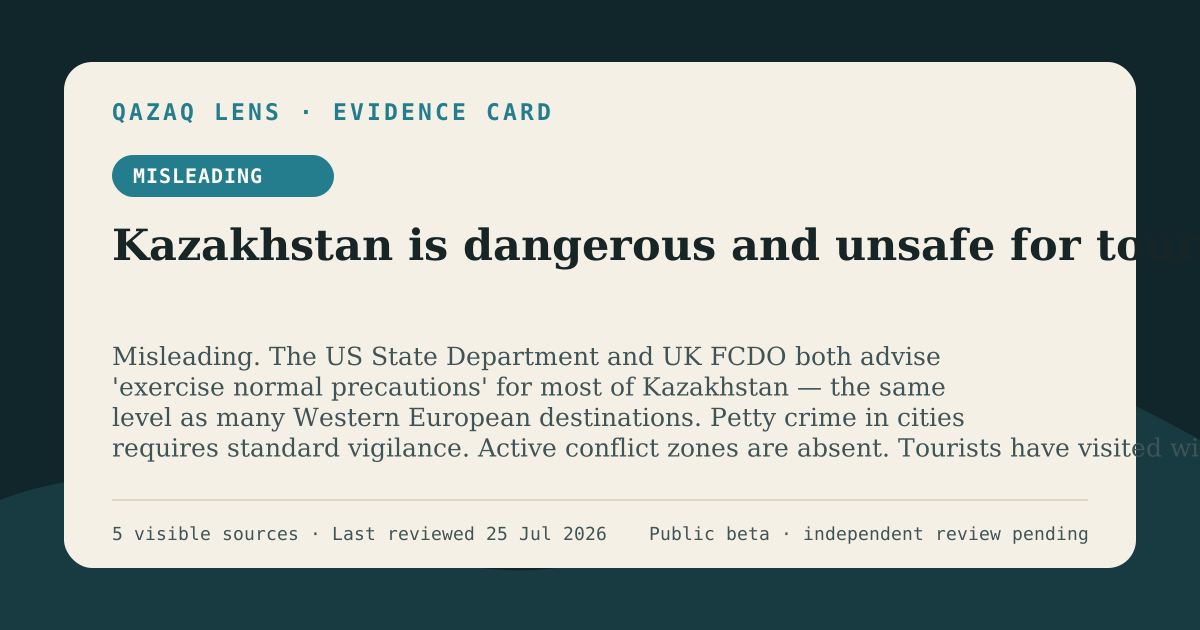
A widespread assumption frames Kazakhstan as an unsafe or inaccessible destination — part of a broad category of “former Soviet” or “Central Asian” countries treated as uniformly dangerous or unstable.
What Government Travel Advisories Say
The most authoritative real-time sources for traveller safety are government foreign-ministry advisories, which grade destinations by observed risk, consular incident rates, and security intelligence.
United States: The State Department issues a Level 1 — Exercise Normal Precautions advisory for Kazakhstan [C1][S1]. This is the same level applied to countries including Germany, Japan, Portugal, and New Zealand. Level 2 advises exercising increased caution; Level 3 advises reconsideration; Level 4 is Do Not Travel.
United Kingdom: The FCDO advises exercising normal precautions for the majority of Kazakhstan [C2][S2]. It notes specific guidance for areas near the border with Afghanistan and parts of the southern border — a standard border-zone advisory found for many Central Asian countries.
Canada: The Government of Canada advises travellers to exercise a high degree of caution in Kazakhstan, noting crime and risks related to political demonstrations — a moderate advisory that does not indicate active danger or armed conflict [S3].
The advisory landscape shows a Western European-equivalent risk level for main cities and tourist areas, with standard border-area caveats.
Absence of Active Conflict
Kazakhstan has no ongoing armed conflict, civil war, or active insurgency [C3][S1][S2][S3]. This distinguishes it from countries where travel advisories are elevated due to genuine security emergencies. The 2022 civil unrest (Qandy Qantar) was suppressed within days and did not produce lasting instability.
Evidence from Large-Scale International Events
Kazakhstan’s hosting of EXPO 2017 Astana — attracting approximately 4 million visitors over three months — demonstrates practical capacity for safe international tourism at scale [C4][S4]. The country has also hosted OSCE summits, SCO heads of state meetings, and the Asian Winter Games.
What Standard Precautions Mean in Practice
“Exercise normal precautions” does not mean no risks exist. It means the risks are comparable to other destinations visitors routinely travel to [C5][S1][S2][S3]. In practice:
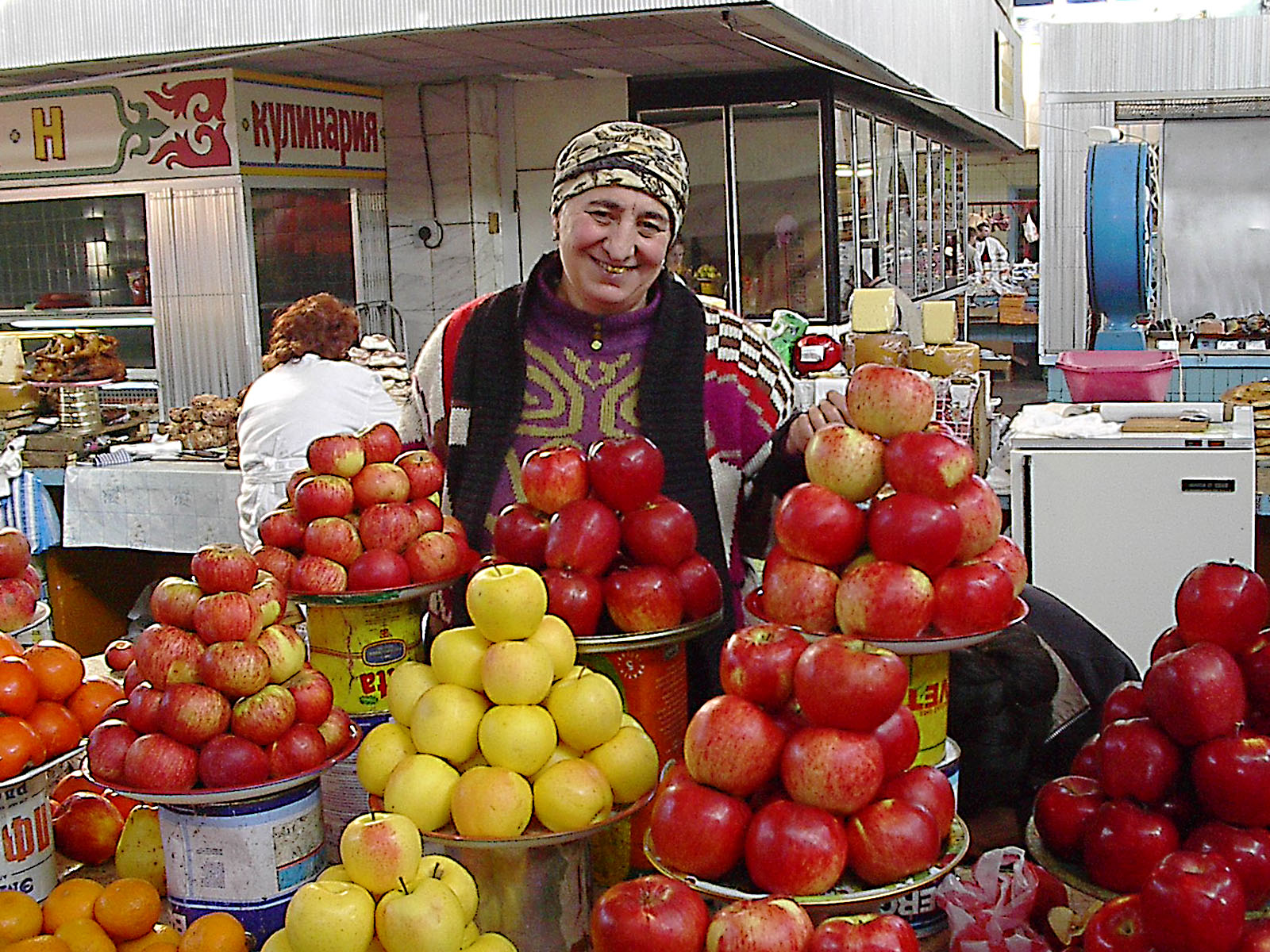
- Petty theft is present in major cities, particularly in crowded markets and public transport.
- Road safety is a relevant concern — Kazakhstan has higher traffic fatality rates than Western Europe.
- Political demonstrations should be avoided; public assembly is restricted and police presence at protests is significant.
- Remote areas require standard wilderness preparation — weather extremes, limited emergency services.
Global Peace Index Context
The Institute for Economics and Peace’s Global Peace Index places Kazakhstan in its mid-tier globally — comparable to several countries in the Balkans and Central Eastern Europe [S5]. It scores substantially lower in conflict risk than its Central Asian neighbours that do face genuine instability. The GPI is one data point, but it supports the government advisory picture: ordinary and manageable risk, not elevated danger.
Why the Myth Persists
Three factors sustain the “dangerous Kazakhstan” framing:
- Regional bundling — Kazakhstan is sometimes categorised alongside genuinely conflict-affected Central Asian countries. Its 2.7 million km² span a very different security profile from its neighbours.
- Soviet-era imagery — Cold War-era associations of the USSR with inaccessibility persist in some mental models.
- Low tourism profile — unfamiliarity is read as danger. Kazakhstan receives far fewer Western tourists than it could support, partly because it is not yet a culturally familiar destination.
Summary
Kazakhstan is not a danger zone. It holds the same risk classification from the US State Department as much of Western Europe. Informed preparation — as for any international travel — is appropriate. The assumption that it is categorically unsafe is not supported by the data from foreign-ministry advisory systems.
Reader context
Comments
Comments are moderated before publication. Keep them specific, sourced and respectful.
No published comments yet. Add the first useful context.