The answer in 20 seconds
Kazakhstan announced a transition to a Latin-based Kazakh alphabet in 2017. The transition is ongoing but not complete. As of 2025, Cyrillic remains the dominant script in official documents, education, and daily life. An earlier roadmap proposed completion by 2031, but the revised alphabet rules were still under development in late 2025 and no confirmed final timetable has been issued.C4
A brief history of Kazakh scripts
The Kazakh language has been written in three different scripts within living memory:C1
Kazakh alphabet history
- Pre-1929 Arabic script used, with some Persian influence. Traditional literacy was in this script.
- 1929 Soviet authorities introduced a Latin-based alphabet for Kazakh, part of a broader Latinisation policy across Soviet Turkic languages.
- 1940 Soviet authorities replaced the Latin alphabet with a Cyrillic-based one, as part of a policy applied across many Soviet languages.
- 1991 Kazakhstan becomes independent. Cyrillic remains in use.
- 2017 Presidential decree announces transition to a new Latin-based alphabet for Kazakh.
- 2021 Third revised version of the Latin alphabet approved after criticism of earlier drafts.
- 2025 Transition ongoing. Cyrillic dominant in official and daily use.
Why is Kazakhstan switching?
The official rationale for the Latin transition includes several stated goals:C1
- Historical continuity: Kazakhstan used a Latin alphabet from 1929 to 1940, before Soviet authorities imposed Cyrillic. The new Latin script is framed partly as a return.
- International integration: Latin script is used by the majority of the world’s languages and simplifies internet domain names, programming, and international communication.
- Cultural identity: Distancing the Kazakh language’s written form from the Cyrillic alphabet associated with Russian is part of a broader post-Soviet cultural repositioning.
- Turkic world alignment: Turkey and Azerbaijan use Latin-based scripts; a Kazakh Latin alphabet facilitates closer alignment with these related languages.
Why has implementation been slow?
Several practical challenges have complicated the transition:C2
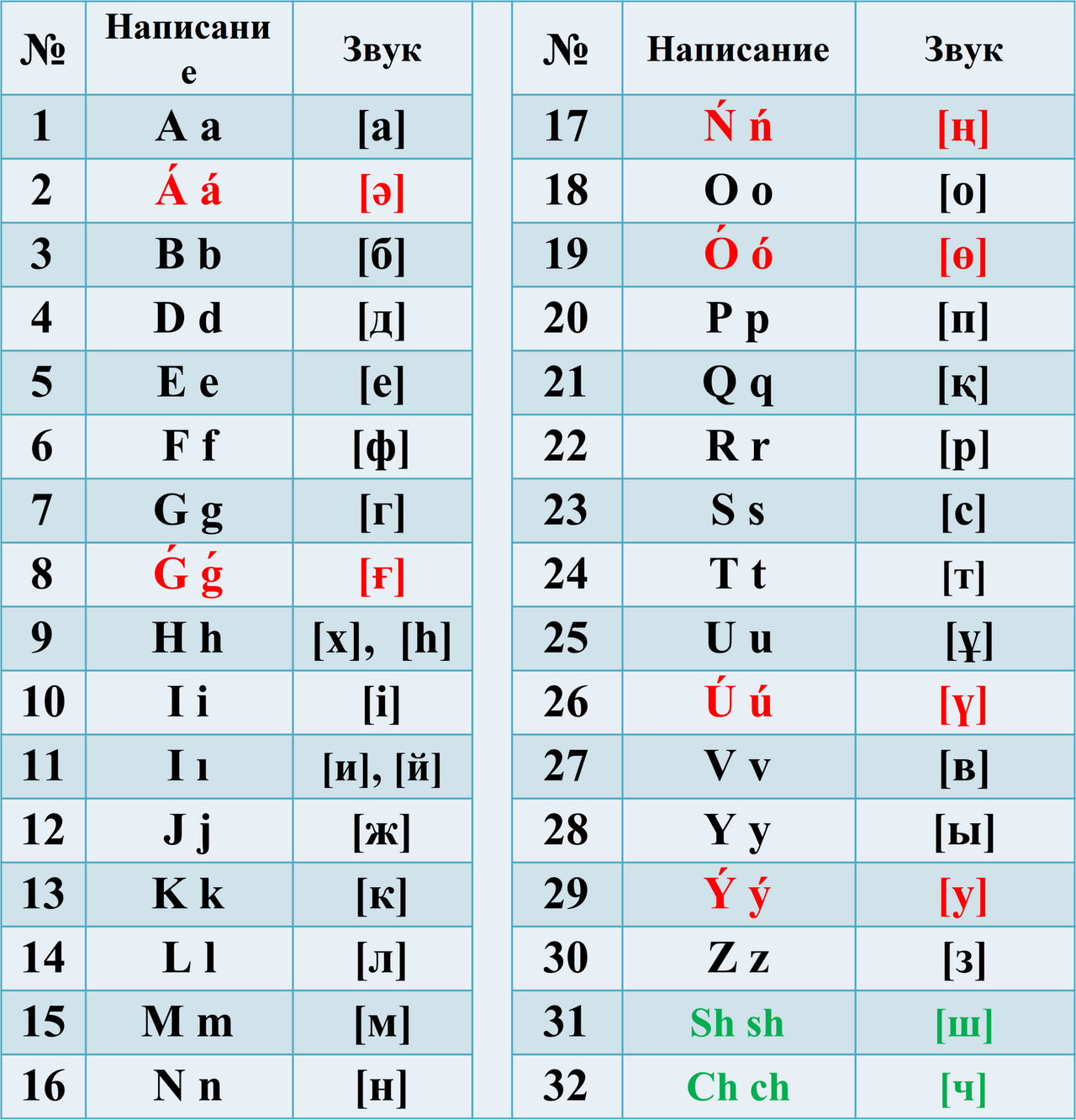
Alphabet revisions: The first approved Latin alphabet used apostrophes to represent sounds not easily captured by standard Latin letters. This was widely criticised as aesthetically awkward and impractical for digital typing. The alphabet was revised, then revised again. The 2021 version uses digraphs (two-letter combinations) instead of apostrophes.
Scale: Transitioning all official documents, road signs, government materials, textbooks, and digital systems from Cyrillic to Latin is an enormous logistical undertaking.
Bilingual reality: A large portion of Kazakhstan’s population uses Russian as a primary or co-primary language. Russian is not being switched to Latin — it will continue in Cyrillic. This means Kazakhstan will effectively maintain parallel scripts in daily life for an extended period.
Generational literacy: Adults educated in Cyrillic face relearning costs; schools are where Latin is being introduced most actively.
What script is in use now?
As of 2025, Cyrillic is still dominant in:C3
- Government documents and official communications
- School textbooks at most levels
- Road signs (though Latin is appearing on some new signs)
- Newspapers and major media
- Personal correspondence and everyday writing
Latin-script Kazakh is visible in:
- Some new government publications and announcements
- Educational pilot programmes
- Certain street signs in major cities
- Online government portals in transition
The transition is real and proceeding, but “Kazakhstan has switched to Latin” is not accurate as a present-tense statement.
What about Russian?
Russian is widely used in Kazakhstan and has official status in public institutions. Russian will not transition to Latin — it will continue to use Cyrillic.C5
This means that in practice, Kazakhstan will have a bilingual sign and document environment for many years: Kazakh in both Cyrillic (legacy) and Latin (new), plus Russian in Cyrillic.
Where this claim appeared
- Reddit r/linguistics — Threads asking “did Kazakhstan switch to Latin?” regularly receive “yes” answers based on 2017 news coverage without noting current Cyrillic dominance (reddit.com/r/linguistics)
- Eurasianet (2021) — More accurate follow-up coverage noting the revised alphabet and ongoing delays received far less international attention than the original announcement (eurasianet.org)
Reader context
Comments
Comments are moderated before publication. Keep them specific, sourced and respectful.
No published comments yet. Add the first useful context.